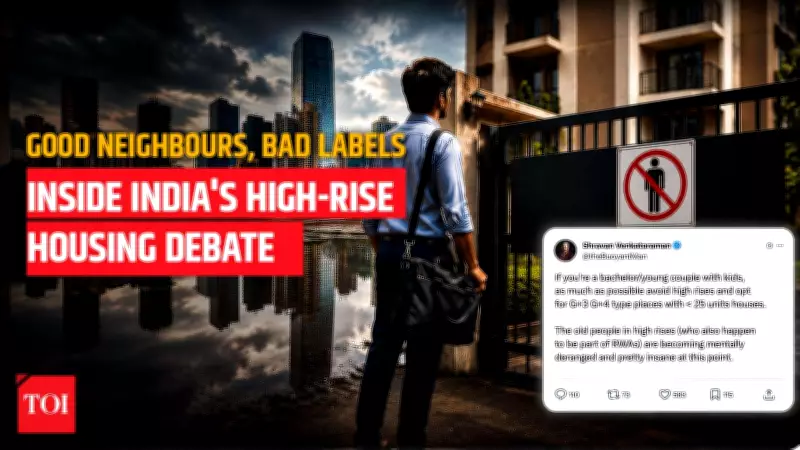
A viral social media post has reignited the debate over housing discrimination against bachelors in India. While landlords and Resident Welfare Associations (RWAs) cite security and community concerns, many young tenants say they face unfair scrutiny and stereotypes. The question remains: is the issue about maintaining order, or judging people before they get a chance?
The Core of the Controversy
The debate centers on whether single, unmarried individuals—often referred to as bachelors—should be allowed to rent apartments in residential societies that predominantly house families. Many landlords and RWAs argue that bachelors are more likely to disrupt the peace, throw parties, or engage in behavior deemed inappropriate for a family-friendly environment. However, bachelors counter that such assumptions are baseless and discriminatory.
Arguments from Landlords and RWAs
Proponents of restrictions often point to security concerns. They claim that bachelors, especially those working late hours, may compromise the safety of the building. Additionally, some RWAs enforce rules that prohibit unmarried tenants from living alone, citing potential moral or social issues. These groups argue that families provide stability and a sense of community that bachelors allegedly lack.

The Bachelors' Perspective
Young professionals and students, however, see this as a form of prejudice. They argue that being single does not make someone irresponsible or a threat. Many bachelors are employed in reputable jobs and lead quiet, respectful lives. They feel that landlords and RWAs judge them based on stereotypes rather than individual behavior. This discrimination can make it extremely difficult for young people to find affordable housing in urban areas.
The Legal and Social Context
In India, housing discrimination based on marital status is not explicitly illegal, but it conflicts with constitutional principles of equality. Some states have taken steps to address this issue, but enforcement remains weak. Socially, the debate reflects deeper tensions between traditional values and modern lifestyles. As more young people move to cities for work or education, the demand for bachelor-friendly housing grows, yet supply remains constrained by prejudice.
Impact on Urban Living
The housing crunch affects not just bachelors but also the broader rental market. When landlords refuse to rent to singles, it drives up prices for families and limits options for everyone. Moreover, it forces many young people into substandard or illegal accommodations. This situation can lead to resentment and a lack of community integration, undermining the very harmony that RWAs claim to protect.
Conclusion
The debate over bachelors versus families in high rises is unlikely to be resolved overnight. It requires a shift in mindset from both landlords and tenants. While security and community are valid concerns, they should not be used to justify blanket discrimination. Instead, building-specific rules should focus on behavior rather than marital status. Until then, the struggle for fair housing continues.