Bangladesh Election 2026: A Historic Political Upheaval
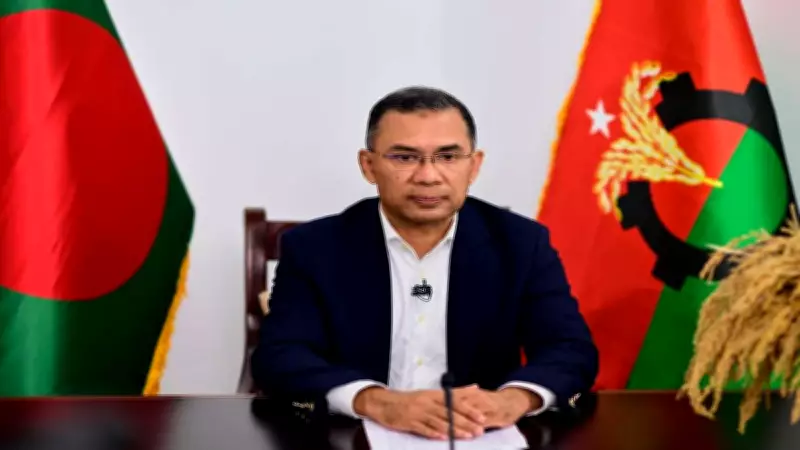
The 2026 Bangladesh general elections have concluded with a seismic shift in the nation's political dynamics, as the Bangladesh Nationalist Party (BNP) achieved a monumental landslide victory. This outcome, led by Tarique Rahman, represents a profound transformation in the country's governance and signals the end of Sheikh Hasina's extended period in power.
Epic Triumph for BNP Under Tarique Rahman's Leadership
In what political analysts are describing as an epic triumph, the BNP secured an overwhelming majority in the parliamentary elections. Tarique Rahman, the party's acting chairman, spearheaded a campaign that resonated deeply with voters across Bangladesh, capitalizing on widespread sentiments for change and reform.
The victory margin was substantial, with the BNP winning a decisive number of seats that effectively redefines the future trajectory of the Nationalist Party. This landslide result not only consolidates the BNP's position but also marks a significant comeback for the party, which had faced considerable challenges in recent electoral cycles.

Sheikh Hasina's Tenure Comes to an End
The election results have brought Sheikh Hasina's long-standing tenure as Prime Minister to a conclusive end. Her party, the Awami League, faced a formidable defeat in the face of the BNP's resurgent campaign. This transition of power is poised to usher in a new era of political leadership and policy direction for Bangladesh.
Observers note that the outcome reflects a clear mandate from the Bangladeshi electorate for change, with voters expressing their preferences through a peaceful and participatory democratic process. The election was closely monitored both domestically and internationally, with preliminary reports indicating a generally smooth conduct of the voting procedures.
Redefining the Future of Bangladesh's Political Landscape
The BNP's landslide victory is expected to have far-reaching implications for Bangladesh's domestic and foreign policies. Key areas likely to see immediate attention include:
- Economic Reforms: Potential shifts in economic strategies and trade policies.
- Governance and Transparency: Emphasis on anti-corruption measures and administrative efficiency.
- International Relations: Possible recalibration of diplomatic ties and regional engagements.
- Social Welfare: New initiatives aimed at addressing public concerns and improving living standards.
As Tarique Rahman prepares to assume leadership, the focus will be on how the BNP implements its electoral promises and navigates the complexities of governing a nation with diverse needs and aspirations.
Reactions and the Path Forward
Reactions to the election results have been mixed, with BNP supporters celebrating a historic victory while Awami League adherents contemplate the implications of their defeat. The Jaamat-e-Islami and other political entities also played roles in the electoral process, contributing to the overall political discourse.
Moving forward, the challenge for the incoming administration will be to foster national unity and address the expectations of all Bangladeshis. The peaceful transfer of power, as evidenced in this election, underscores the resilience of Bangladesh's democratic institutions.
This electoral outcome not only redefines the future of the Nationalist Party but also sets the stage for a new chapter in Bangladesh's political history, with potential impacts on South Asian geopolitics and economic collaborations.