In the midst of ongoing political turbulence and a government crackdown on opposition voices, a prominent journalist from Bangladesh has publicly expressed hope that the country's next general elections, scheduled for February 2026, will indeed take place. This statement comes as a note of cautious optimism during a period marked by significant unrest and allegations of authoritarian overreach.
A Voice of Hope Amidst Political Crackdown
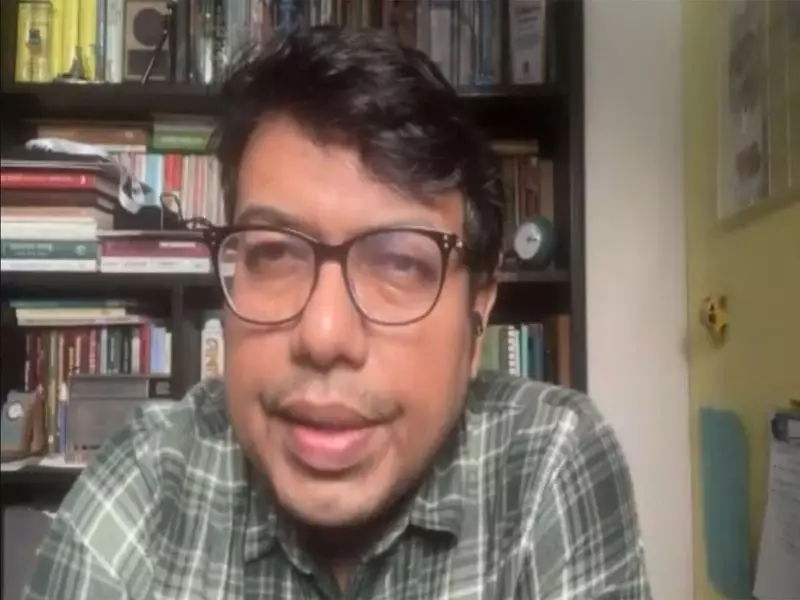
Zulkarnain Saer Sami, the joint editor of the Bangladeshi daily Prothom Alo, recently shared his perspective on the nation's political future. While acknowledging the severe challenges, Sami stated his belief that the electoral process would move forward. The general elections in Bangladesh are constitutionally mandated for January 2026, with February being the likely practical timeframe for the polls.
His comments were made against a backdrop of intense political activity. The primary opposition party, the Bangladesh Nationalist Party (BNP), has been at the forefront of anti-government protests. These demonstrations have been met with a forceful response from authorities led by Prime Minister Sheikh Hasina's Awami League government. Sami described the current situation as one where the state is exerting immense pressure on the opposition, making it exceedingly difficult for them to operate or rally public support effectively.

The Context of Recent Unrest and Government Action
The political landscape in Bangladesh has been volatile. The BNP and other opposition groups have been demanding the resignation of the current government and the establishment of a neutral caretaker administration to oversee the upcoming national elections. They argue that without this, a free and fair vote is impossible under the Awami League.
The government's response has been unequivocal. Thousands of BNP leaders and activists have been imprisoned following the violent protests on October 28 of the previous year. Law enforcement agencies have filed numerous cases, creating a climate of fear and suppression. Sami highlighted that this crackdown has not been limited to street activists; it has extended to the highest levels of the opposition, severely crippling their organizational capacity.
Furthermore, the journalist pointed to the government's influence over the judiciary and other state institutions, suggesting a consolidation of power that marginalizes dissenting voices. This environment, he implied, is designed to ensure the ruling party's dominance well ahead of the 2026 electoral contest.
The Path to 2026: Credibility and International Scrutiny
Despite the grim present circumstances, Zulkarnain Saer Sami's hope for the 2026 elections is rooted in several factors. A key element is the requirement for the elections to be perceived as legitimate, both domestically and internationally. Bangladesh's economic aspirations and its relationships with global partners and financial institutions depend heavily on political stability and a credible democratic process.
Sami suggested that the government, despite its strong-handed tactics, would ultimately need to create conditions that allow for a minimally acceptable electoral exercise. The alternative—a widely boycotted or deeply flawed election—could lead to greater instability and international isolation, which Dhaka can ill afford. The journalist's analysis indicates that while the playing field may be heavily tilted, the act of holding the polls itself remains a political necessity for the incumbent regime.
The international community, including key partners like India and the United States, is closely watching the developments. Their stance and diplomatic pressure could play a crucial role in shaping the pre-election environment. The hope for the February 2026 polls, therefore, is not just a domestic aspiration but is tied to Bangladesh's standing in the world.

In conclusion, while the road to the 2026 general elections in Bangladesh is paved with political repression and a muzzled opposition, the constitutional deadline offers a glimmer of hope. As Zulkarnain Saer Sami notes, the very logic of statecraft and global engagement may compel the authorities to allow the polls to happen. However, the critical question remains whether these elections will be a genuine democratic exercise or merely a ritual to endorse the status quo.