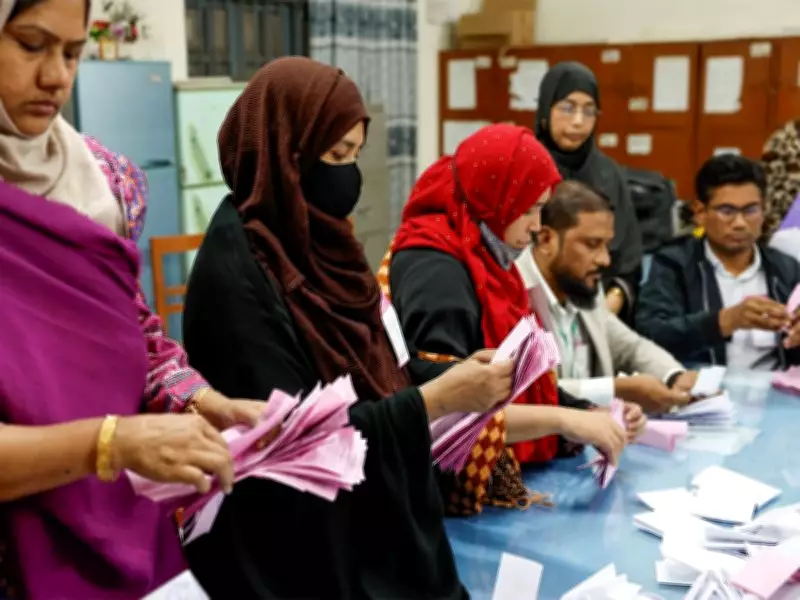
Bangladesh Election Projections Show BNP Dominance in 151 Constituencies
In a major development from the recent general elections in Bangladesh, projected results have revealed that the Bangladesh Nationalist Party (BNP) is poised to clinch victories in an impressive 151 constituencies. This outcome, if confirmed, signals a substantial transformation in the nation's political dynamics, potentially reshaping governance and policy directions in the coming years.
Detailed Analysis of the Projected Results
The projections, based on early vote counts and exit polls, highlight the BNP's strong performance across diverse regions of Bangladesh. This surge in support reflects widespread voter sentiment and could lead to a significant realignment of political power. Analysts are closely monitoring the situation, as these results may influence both domestic policies and international relations, given Bangladesh's strategic importance in South Asia.
Key Factors Behind the BNP's Projected Success

- Voter Turnout: Reports indicate high participation rates, with many citizens expressing their preferences through the ballot box.
- Campaign Strategies: The BNP's focused outreach and messaging appear to have resonated with a broad segment of the electorate.
- Economic and Social Issues: Concerns over inflation, employment, and social welfare likely played a pivotal role in shaping voter decisions.
Implications for Bangladesh's Political Future
If the projected results hold, the BNP's dominance in 151 constituencies could lead to a robust parliamentary presence, enabling the party to drive legislative agendas and influence key national decisions. This shift may also prompt other political entities to reassess their strategies and alliances in response to the changing electoral landscape.
Broader Context and Regional Impact
- The election outcomes are being watched by neighboring countries and global powers, as Bangladesh's stability and policies affect regional trade and security.
- Domestically, the results could spur debates on governance reforms and democratic processes, with implications for future elections.
- Economic analysts predict that the political changes might influence investment flows and development projects in Bangladesh.
As the final results are awaited, stakeholders across the political spectrum are preparing for potential shifts in power dynamics. The projected wins for the BNP underscore the evolving nature of democracy in Bangladesh, with citizens actively shaping their nation's trajectory through electoral participation.