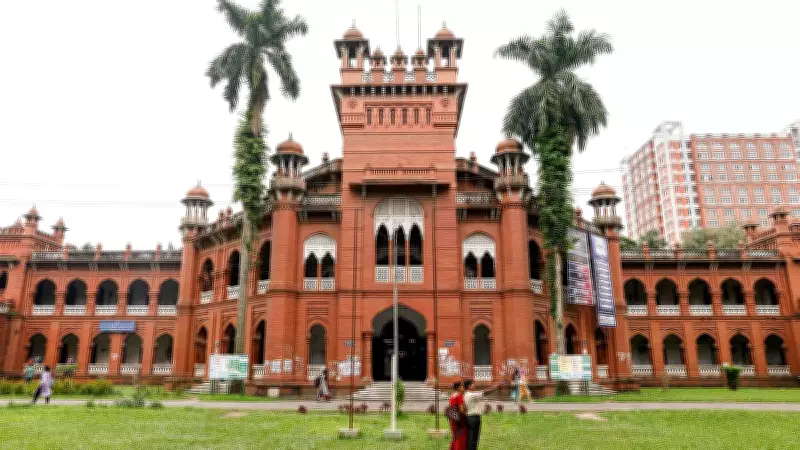
Bangladesh Implements Early University Closures to Combat National Energy Crisis
In a significant move to address a severe and ongoing energy crisis, the government of Bangladesh has mandated the early closure of all universities across the nation. This directive, which applies uniformly to both public and private higher education institutions, is designed as an emergency measure to drastically reduce electricity consumption and mitigate the broader impacts of the country's power shortages.
Comprehensive Scope of the Closure Order
Authorities have confirmed that the decision is nationwide, leaving no university exempt from the early shutdown protocol. Officials emphasized that this is not a temporary or localized adjustment but a structured, country-wide intervention aimed at stabilizing the national grid. The move reflects the government's urgent prioritization of energy conservation over regular academic schedules, highlighting the critical nature of the current crisis.
Dual Benefits: Power Savings and Reduced Traffic Congestion
Beyond the primary goal of lowering electricity usage, the early closure of universities is expected to yield substantial secondary benefits. A key advantage cited by officials is the significant reduction in traffic congestion during peak hours. With thousands of students, faculty, and staff no longer commuting to campuses, there will be a notable decrease in vehicular movement on the roads.
This reduction in traffic is projected to directly translate into lower fuel consumption, thereby conserving valuable petroleum resources that are also under strain due to the energy crisis. The interconnected nature of these issues—where power shortages and fuel wastage exacerbate each other—makes this a multifaceted strategy. By addressing both electricity demand and transportation inefficiencies simultaneously, the government aims to create a more sustainable and efficient response to the national emergency.
Official Statements and Rationale
Government representatives have publicly outlined the rationale behind this decisive action. They stated that the early university closures are a necessary step to prevent further deterioration of the energy situation, which has been affecting various sectors of the economy and daily life. The officials underscored that this measure, while disruptive to academic calendars, is essential for the greater good, ensuring that limited power resources are allocated to critical services and infrastructure.
Furthermore, the move is seen as part of a broader suite of energy conservation initiatives that the government is implementing. By targeting large institutions like universities, which are significant consumers of electricity, the authorities hope to achieve immediate and measurable reductions in overall power demand. The decision also signals to the public the seriousness of the crisis and the need for collective action and adaptation.
Context and Implications
The energy crisis in Bangladesh has been building over recent months, driven by factors such as supply chain disruptions, increased demand, and geopolitical tensions affecting fuel imports. This university closure order represents one of the most direct and wide-ranging interventions by the government to date. It follows other measures like load-shedding and appeals for public conservation, but its scale and specificity mark a new phase in the crisis management approach.
While the immediate focus is on energy savings, the long-term implications for the education sector are also under consideration. University administrations are now tasked with adjusting academic schedules, possibly extending terms or shifting to online learning where feasible, to minimize the impact on students' educational progress. However, for now, the priority remains squarely on alleviating the national energy shortfall and its cascading effects on the economy and society.
As the situation evolves, further updates and adjustments to this policy are expected. The government has indicated that it will continue to monitor energy levels and may implement additional measures if necessary. For now, the early closure of universities stands as a stark reminder of the challenges posed by the energy crisis and the innovative, if disruptive, strategies being employed to address them.