A second student leader in Bangladesh has been critically wounded after being shot in the head, marking a severe escalation in the ongoing nationwide protests against government job quotas. The incident, which follows a similar attack on another prominent activist just days prior, has sent shockwaves through the capital Dhaka and intensified calls for justice and reform.
Details of the Attack on Asif Mahmud
The victim of the latest shooting has been identified as Asif Mahmud, a final-year law student at Dhaka University and a key figure in the anti-quota protest movement. According to reports, the attack occurred on a Tuesday evening near the university campus. Mahmud was reportedly shot at close range, with the bullet striking him in the head. He was immediately rushed to Dhaka Medical College Hospital, where he remains in critical condition, fighting for his life.
This violent act comes merely days after another student leader, Hadi Hossain, was also shot in the head under similar circumstances. Hossain, a leader of the Bangladesh Chhatra League's Dhaka University unit, was attacked on a Sunday. He too is receiving treatment at the same hospital, with his condition described as serious. The back-to-back targeted shootings of student activists have created an atmosphere of fear and outrage among the protestors and the general student community.

The Context of the Anti-Quota Protests
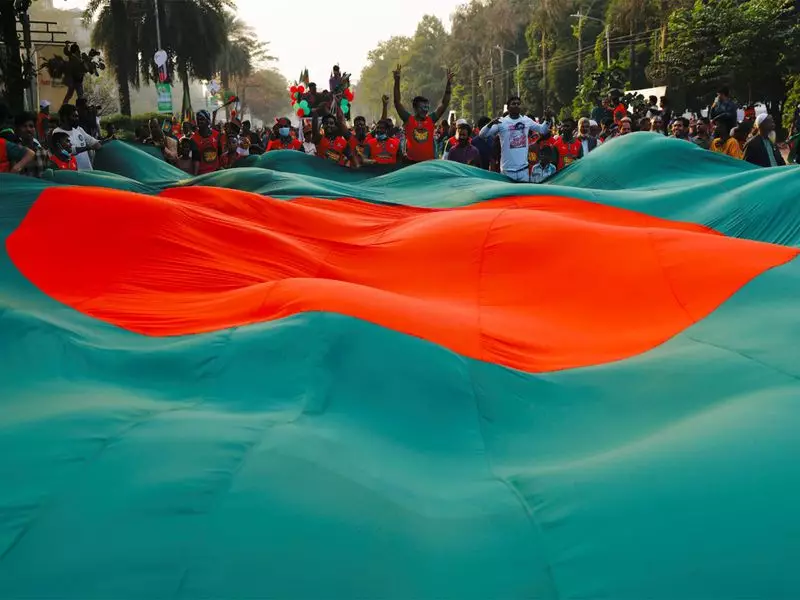
The shootings are directly linked to the massive and persistent nationwide demonstrations demanding the abolition of the existing quota system in government jobs. Protesters argue that the current framework, which reserves a significant percentage of posts for specific groups including descendants of freedom fighters, is unfair and discriminatory. They are calling for a merit-based recruitment process.
The movement, largely spearheaded by students from public universities, has seen sustained sit-ins, marches, and clashes with law enforcement over recent weeks. The government's response, including internet shutdowns and a strong police presence, has failed to quell the dissent. The targeting of high-profile student leaders like Mahmud and Hossain is seen as a dangerous turn in the state's handling of the protests, moving from containment to alleged intimidation.
Public Outcry and Demands for Justice
The attacks have triggered widespread condemnation from human rights organizations, civil society groups, and opposition political parties. There is a growing demand for an independent and transparent investigation to identify and prosecute the perpetrators. Many are questioning the ability of the authorities to ensure the safety of citizens exercising their right to peaceful assembly.
The Bangladesh Chhatra League, the student wing of the ruling Awami League, has publicly condemned the attack on Hadi Hossain, one of its own members. This internal criticism highlights the deepening complexity and widespread concern over the violence. The incidents have also drawn international attention to the political climate in Bangladesh, with observers closely monitoring the government's next steps.
As Asif Mahmud battles for survival in the hospital, his shooting has become a rallying point for the protestors. It has hardened their resolve and amplified their core demand: the complete scrapping of the quota system. The situation in Dhaka remains tense, with the student community vowing to continue their movement despite the grave risks, underscoring a critical juncture in Bangladesh's ongoing dialogue about equity, justice, and governance.