Bangladesh's Interim Chief Adviser Muhammad Yunus Participates in Historic Election Voting
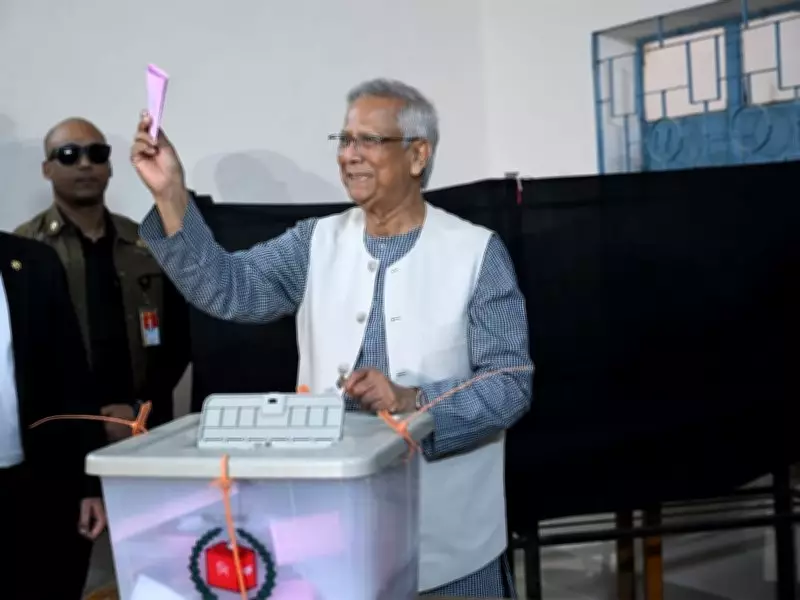
In a significant moment for Bangladesh's political landscape, Muhammad Yunus, the interim chief adviser and Nobel Peace Prize laureate, exercised his democratic right by casting his vote in a historic election. This event underscores the nation's commitment to democratic principles and the pivotal role Yunus plays in overseeing the electoral process during this transitional phase.
Yunus's Role and the Election's Importance
As the interim chief adviser, Yunus has been entrusted with guiding Bangladesh through a critical period, ensuring stability and fairness in governance. His participation in the voting process not only legitimizes the election but also sets a powerful example for citizens, emphasizing the importance of civic engagement. The election itself is being hailed as a landmark event, with potential implications for the country's future direction and international relations.
Key aspects of this development include:

- Democratic Symbolism: Yunus's vote serves as a strong symbol of democratic values, reinforcing trust in the electoral system.
- Governance Oversight: His role involves monitoring the election to prevent irregularities and promote transparency.
- Historical Context: This election marks a turning point in Bangladesh's political history, with Yunus's involvement adding credibility.
Implications for Bangladesh and Beyond
The casting of the vote by Muhammad Yunus is expected to have far-reaching consequences. Domestically, it may bolster public confidence in the electoral outcome and encourage higher voter turnout. Internationally, it could enhance Bangladesh's image as a nation committed to democratic norms, potentially attracting foreign investment and diplomatic support. Analysts suggest that Yunus's leadership during this period could pave the way for smoother political transitions and economic reforms.
Moreover, the election's historic nature is amplified by Yunus's global stature as a Nobel laureate, known for his work in microfinance and social entrepreneurship. His involvement brings added scrutiny and hope for a peaceful and fair process, which is crucial for maintaining social harmony and economic progress in Bangladesh.