

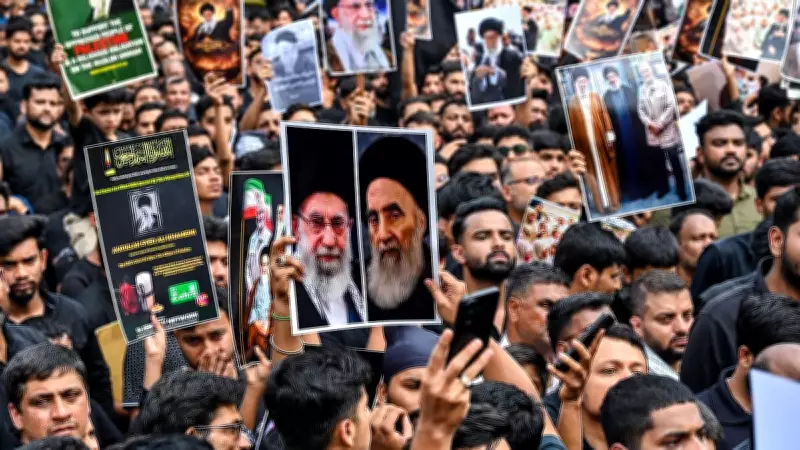
Bengaluru Police File Case Against Protesters Over Khamenei Mourning Gathering
In a significant development from Karnataka's capital, authorities in Bengaluru have initiated legal proceedings against a group of individuals who organized and participated in a large-scale public gathering to mourn the death of the late Iranian leader, Ayatollah Khamenei. This event, which took place on March 2, 2026, in the Richmond Town area of Central Bengaluru, has drawn attention due to its timing amidst heightened international tensions.
Details of the Protest and Legal Action
The protest saw a substantial crowd assemble to express grief and solidarity following the reported killing of Ayatollah Khamenei. According to police reports, the gathering was held without prior permission, violating local regulations on public assemblies. As a result, a formal case has been registered against the protesters, citing potential breaches of law and order protocols. The authorities have emphasized the need to maintain public safety, especially given the sensitive nature of the event linked to the ongoing conflict between Iran and the US-Israel alliance.
Key aspects of the incident include:

- Location and Timing: The protest occurred in Richmond Town, a central neighborhood in Bengaluru, on March 2, 2026.
- Purpose: Participants gathered specifically to mourn Ayatollah Khamenei, whose death has been a focal point in recent geopolitical developments.
- Legal Grounds: The case filed by Bengaluru police alleges unauthorized assembly, which could pose risks to public peace during a period of international strife.
Context of International Tensions
This incident unfolds against a backdrop of escalating conflicts involving Iran, the United States, and Israel. The death of Ayatollah Khamenei has intensified diplomatic and military confrontations, making any related public demonstrations particularly sensitive. In Bengaluru, a city known for its diverse population and active civil society, such gatherings can quickly attract scrutiny from law enforcement agencies aiming to prevent any spillover effects from global disputes.
Experts note that while freedom of expression is protected, authorities must balance it with security concerns, especially when events are tied to volatile international issues. The police action in this case reflects a cautious approach to managing public order in light of the broader Iran-US-Israel conflict, which has seen increased tensions in recent months.
Implications and Reactions
The filing of the case has sparked discussions among local communities and human rights advocates in Bengaluru. Some argue that the protesters were merely exercising their right to assemble and express condolences, while others support the police's move to ensure stability. The authorities have stated that the investigation is ongoing, and further details will be released as they proceed with the legal process.
This event highlights the complex interplay between domestic law enforcement and international politics, as cities like Bengaluru navigate the challenges of hosting gatherings with global implications. As the situation develops, stakeholders are closely monitoring how this case might influence future protests and the enforcement of public assembly laws in India.






