During the devastating second wave of the Covid-19 pandemic in April 2021, a Bengaluru engineer tried to pass off his wife's murder as a suicide driven by depression. His plan, however, was undone by a single, permanent clue inked on his own skin—a tattoo bearing another woman's name.
The Grieving Husband and the Telling Tattoo
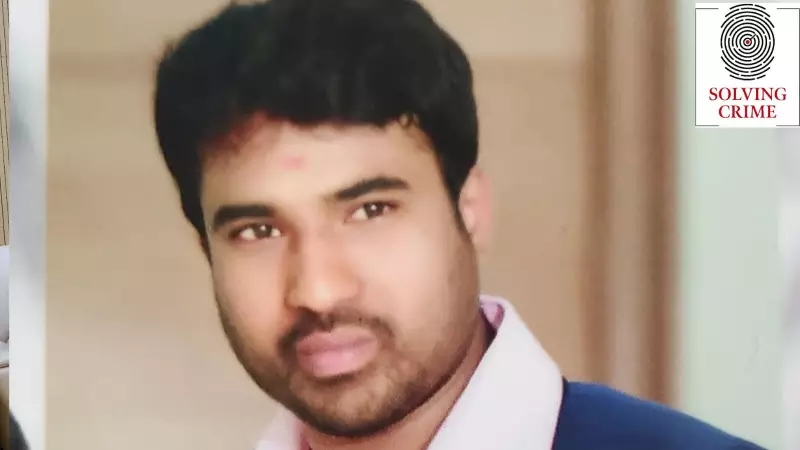
On the morning of April 17, 2021, Head Constable Shivanand K Poojari from Mahadevapura police station arrived at a hospital responding to a reported suicide. There, he found Vinay Kumar, a 33-year-old electrical engineer, weeping uncontrollably. Defying strict social distancing protocols to offer solace, Poojari noticed a tattoo on Kumar's hand that read 'Roopa'.
Kumar narrated a tragic tale to the police. He claimed he and Ashwini, married in 2018, were a happy couple plagued only by her inability to conceive. He stated that she had been suffering from depression and that he discovered her dead body that morning. Neighbors, he said, helped rush her to the hospital after hearing his screams.

The story began to crumble quickly. Ashwini's family, who arrived soon after, expressed immediate suspicion, alleging Kumar was involved in an extramarital affair. Concurrently, doctors who examined Ashwini's body indicated signs of strangulation, contradicting the suicide theory.
A Chilling Plot of Poison, Beer, and a Dupatta
With Kumar as the primary suspect, the police took him into custody. The investigation, led by Inspector H Hariyappa, soon extracted a confession detailing a premeditated murder.
Kumar admitted that on April 16, 2021, he purchased a bottle of Tuborg beer for Rs 145 and a strip of Disulfiram 250 mg—a drug used to treat alcohol addiction—for Rs 32. He mixed the drug into the beer, believing it would kill Ashwini. After consuming the spiked drink, the couple ate a chicken meal and retired around 11 pm.
"By 5.50 am, Vinay woke and saw that his wife was still breathing. He then took out a dupatta and strangulated her," recounted Inspector Hariyappa. Around 7 am, Kumar called Ashwini's parents, feigned panic about her being unconscious, and took her to Lakshmi Hospital, claiming she had ended her life.
The Affair with Roopa and the Motive
The probe uncovered that Kumar's motive stemmed from an extramarital relationship. He had met Roopa, a divorced relationship manager at a bank in Jeevan Bhima Nagar, while applying for a loan. Their friendship deepened over six months, and Kumar, sharing his marital troubles, proposed to her.
Roopa refused, stating she would only consider marriage if he divorced Ashwini. To keep her hopes alive, Kumar even sent her a fake divorce petition. The elaborate lie collapsed when Roopa called Ashwini directly to verify the situation. Exposed and desperate, Kumar decided the only way to be with Roopa was to eliminate his wife.
The tattoo of 'Roopa' on his hand, which Head Constable Poojari had noted, became a crucial piece of corroborative evidence. "I saw the tattoo... initially thought it could be his sister's or mother's name, but when he told me it was his girlfriend's name, it stuck in my mind," Poojari recalled.
Building a Case on Circumstantial Evidence
With no eyewitnesses to the murder, the police meticulously built a circumstantial case. They recovered the torn bill for the Disulfiram and traced Kumar's digital payment to the pharmacy. CCTV footage from both the liquor store and the medical shop placed him there.
The police charged Kumar under multiple sections of the Indian Penal Code: 302 (murder), 498A (dowry harassment), 420 (cheating), and 328 (causing hurt by poison). During the trial, the prosecution presented a web of evidence, including testimonies from the drugstore and bar workers, medical reports, and Roopa herself, who was made a witness.
Public Prosecutor Sathyavathi H R stated, "As there was no eyewitness, I needed to fight the case entirely on circumstantial evidence... the tattoo on Kumar, which read 'Roopa,' became supporting evidence."

On December 17, 2025, the 72nd additional city civil and sessions court convicted Vinay Kumar and sentenced him to life imprisonment. The verdict brought a measure of justice to Ashwini's family, closing a case that had begun under the shadow of a pandemic and was solved by the sharp observation of a compassionate policeman.