Bengaluru Techie Accused of Parents' Murder Performs Last Rites Under Police Guard
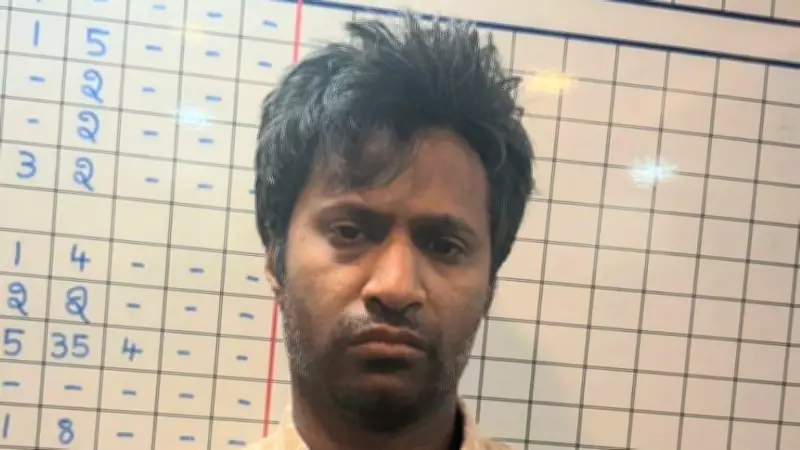
In a somber and heavily secured event in Bengaluru, a 33-year-old techie, who is accused of murdering his parents, performed their last rites under strict police supervision. The incident unfolded on the evening of February 14, 2026, drawing significant attention due to the grave nature of the allegations and the unusual circumstances surrounding the ceremony.
Details of the Ceremony and Police Involvement
The techie, identified as Rohan, was escorted from the National Institute of Mental Health and Neurosciences (Nimhans), where he is currently undergoing treatment, to a local crematorium. The escort was conducted by personnel from the HAL police station, with additional support from the Wilson Garden police, ensuring tight security throughout the proceedings. The group arrived at the crematorium around 5 pm, as confirmed by official sources.
Rohan, a US-returned professional, has been at the center of a high-profile investigation since being accused of the heinous crime against his parents. His mental health treatment at Nimhans adds a complex layer to the case, raising questions about his condition and legal proceedings. The police presence was deemed necessary to prevent any potential disruptions or security risks during the emotionally charged event.
Background and Implications of the Case
This case has sent shockwaves through the Bengaluru community, highlighting issues related to mental health, crime, and family dynamics in urban settings. Authorities have emphasized that the escort was carried out with utmost caution, balancing humanitarian considerations with legal obligations. The performance of the last rites, a critical cultural and religious ritual, was allowed under these extraordinary circumstances, reflecting the sensitivity of the situation.
As investigations continue, this event underscores the challenges faced by law enforcement in handling cases involving accused individuals with mental health concerns. It also brings to light the broader societal impacts of such tragedies, prompting discussions on support systems and preventive measures.