Bhojshala-Kamal Maula Mosque Dispute Takes Fresh Legal Turn in Madhya Pradesh
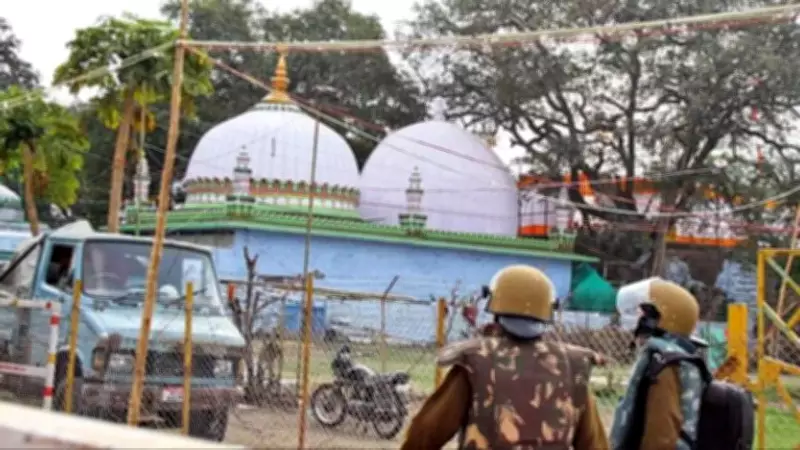
The long-standing and contentious dispute over the Bhojshala-Kamal Maula Mosque in Dhar, Madhya Pradesh, has entered a new legal phase. On Monday, Qazi Moinuddin, who asserts he is a direct descendant of Kamal Maulana Chisti, filed an intervention application before the Indore bench of the Madhya Pradesh High Court.
Court Proceedings and Intervention Application
The division bench, comprising Justice Vijay Kumar Shukla and Justice Alok Awasthi, granted the intervener the right to an audience. The court has scheduled the matter for arguments on April 2, alongside a series of other intervention applications. This development adds another layer to the complex legal battle surrounding the historic site.
Claim of Hereditary Custodianship
In his application, Qazi Moinuddin identified himself as a resident of Dargah, Kamal Maula, Dhar, and the son of the late Qazi Faizuddin. He described himself as a direct descendant of Hazarat Kamal Maulana Chishti, who is credited with establishing the Kamal Maula Masjid between 1305 and 1307 AD. Moinuddin further claimed that he currently holds the position of Mutawalli, the hereditary custodian, of the Waqf associated with the mosque.
He argued that the mosque, referred to as a Jama Masjid, has been the site of Friday Namaz for centuries. A Waqf was created over the property to preserve its sanctity for religious purposes, according to his submission. To bolster his claim, Moinuddin presented revenue records dating back to 1926-28, aiming to establish historical continuity and legal standing.
Legal Arguments and Objections
Moinuddin contended that, as the Mutawalli residing on the adjacent Waqf property, any order passed in the petition directly impacts his statutory duties under the Waqf Act, 1995. This, he argued, makes him a necessary party to the proceedings. The intervention was filed in the petition by the Hindu Front for Justice, which has been actively involved in the dispute.
However, Hindu Front for Justice counsel Advocate Vishnu Shankar Jain strongly objected to the application. Jain argued that the applicant lacks locus standi and asserted that the monument in question is not a Waqf property. He noted that all relevant stakeholders, including the Malauna Kamaluddin Welfare Society, have already been made respondents in the petition, suggesting that Moinuddin's intervention is unnecessary.
Upcoming Hearing and Implications
The court has directed that arguments on this intervention application be heard on April 2, when it is listed for hearing. This case highlights the intricate interplay of historical claims, religious significance, and legal frameworks in India. The Bhojshala-Kamal Maula Mosque dispute has been a focal point of cultural and religious tensions in Madhya Pradesh, with both Hindu and Muslim groups asserting rights over the site.
The outcome of this legal proceeding could have significant implications for the management and use of the property, potentially setting precedents for similar disputes across the country. As the April 2 hearing approaches, stakeholders from both sides are preparing their arguments, underscoring the deep-seated nature of this conflict.