Bhopal DJ Protest Rally Sparks Noise Pollution and Jurisdiction Debate
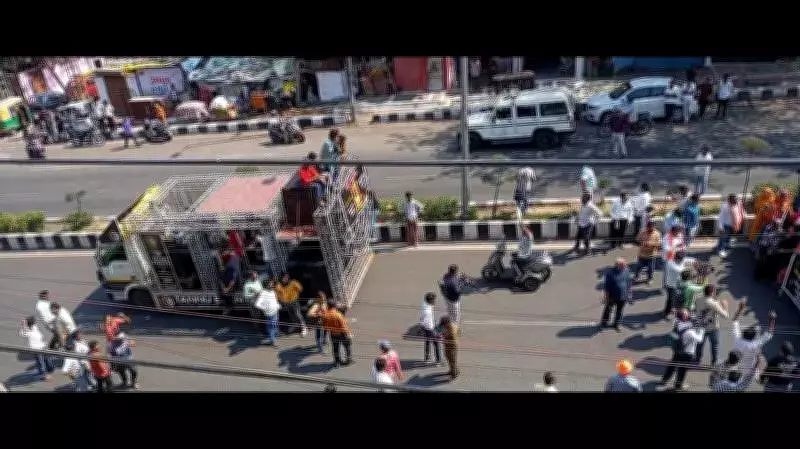
Residents of Bhopal experienced an unusual and disruptive scene on Wednesday afternoon when a protest rally, featuring a DJ vehicle, traversed from Roshanpura to Polytechnic, passing through the bustling New Market area. For nearly two hours, locals endured amplified sound and traffic diversions, leading to widespread frustration and concerns over legal violations.
Legal Violations and Public Outcry
Many citizens expressed anger, highlighting that the use of such vehicles contravenes the Motor Vehicles Act and court-imposed limits on noise pollution. Police sources, speaking off the record, revealed that the rally was conducted without formal permission. Officers attempted to manage the situation as it unfolded, but their efforts were hampered by the chaotic nature of the event.
The incident has ignited a debate on whether law enforcement should have permitted the vehicles at all. While the protest was aimed at condemning the Ashoka Garden murder accused, the decision to allow the DJ vehicle has drawn criticism from the public. The rally was closely monitored by a police mobile van equipped with advanced law enforcement systems, ensuring that oversight extended beyond ground officers to include technological surveillance.

Evening Escalation and Traffic Obstruction
Later in the evening, police authorized another DJ vehicle, whose blaring sounds rattled doors and windows across the neighborhood. As darkness fell, the vehicle's flashing lights further impeded traffic movement, exacerbating the disruption. This escalation has raised questions about the consistency and effectiveness of police response to such incidents.
Jurisdictional Confusion Among Police Stations
The movement of DJ vehicles near Roshanpura often creates a jurisdictional puzzle, with three police stations involved in enforcement. The stretch is divided in a complex manner: the west side along the BRTS road towards Raj Bhawan falls under Arera Hills Police Station, the left side is managed by New Market Police Station, and once the rally crosses the Banganga intersection, responsibility shifts to Shyamla Hills Police Station.
This overlapping jurisdiction has led to significant confusion, with complaints to Dial 100 sometimes being misdirected to the wrong station. Such delays in action leave residents trapped in the middle of the noise and disruption, highlighting systemic issues in law enforcement coordination.
The incident underscores the need for clearer protocols and better inter-station communication to prevent similar occurrences in the future, ensuring public safety and adherence to noise pollution regulations.