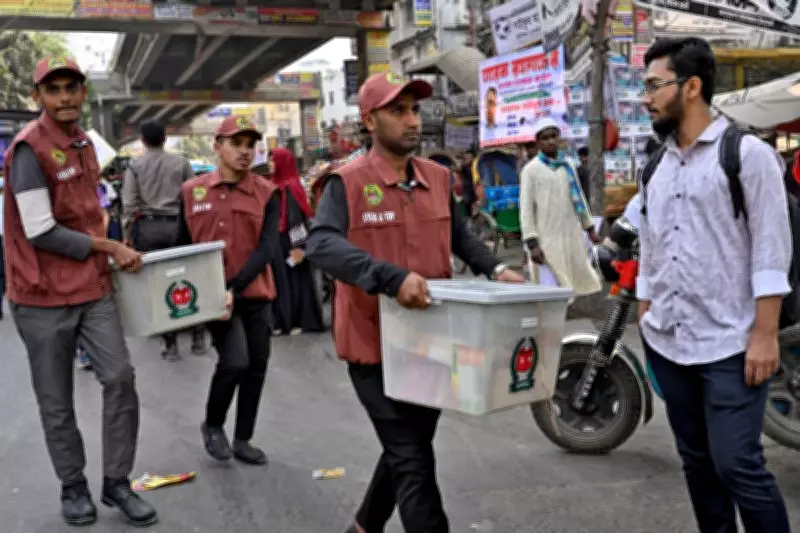
Bangladesh's BNP Appeals to India for Respect on Hasina Stance as Polls Loom
In a significant diplomatic move on the eve of Bangladesh's national elections, the Bangladesh Nationalist Party (BNP) has issued a formal appeal to India, urging the neighboring nation to respect Bangladesh's sovereign stance regarding Prime Minister Sheikh Hasina. This call comes at a critical juncture, with the elections set to shape the country's political landscape and international relations.
BNP's Diplomatic Outreach Ahead of Elections
The BNP, a major opposition party in Bangladesh, has emphasized the importance of non-interference in internal affairs, particularly as the nation prepares for a pivotal electoral process. The party's statement highlights concerns over external influences that could impact the democratic integrity and sovereignty of Bangladesh.
Key Points from the BNP's Appeal:

- The BNP has explicitly requested India to acknowledge and respect Bangladesh's position on Prime Minister Sheikh Hasina, who is a central figure in the upcoming elections.
- This appeal underscores the BNP's commitment to upholding national sovereignty and ensuring that foreign powers do not sway electoral outcomes.
- The timing of this statement, just before the polls, reflects the heightened political tensions and the BNP's strategic efforts to garner international support for its stance.
Context of Bangladesh-India Relations
Bangladesh and India share a complex and multifaceted relationship, characterized by historical ties, economic cooperation, and occasional diplomatic strains. The BNP's appeal taps into longstanding issues of sovereignty and regional influence, with India often playing a significant role in South Asian politics.
Historical and Current Dynamics:
- India has been a key ally for Bangladesh in various sectors, including trade and security, but this relationship has sometimes been viewed through the lens of political interference.
- The BNP's call reflects broader regional concerns about the balance between diplomatic engagement and respect for national autonomy.
- This development could impact bilateral relations, depending on India's response and the election results in Bangladesh.
Implications for the Upcoming Elections
The BNP's appeal is likely to resonate with voters who prioritize national sovereignty and independence from external pressures. As the elections approach, this issue may become a focal point in political debates, influencing voter sentiment and party strategies.
Potential Outcomes:
- If India responds positively, it could ease tensions and foster a more cooperative post-election environment.
- Conversely, any perceived disregard for Bangladesh's stance might fuel anti-India sentiments and complicate future diplomatic interactions.
- The election results themselves will determine how this appeal shapes Bangladesh's foreign policy moving forward.
In summary, the BNP's pre-election appeal to India marks a crucial moment in Bangladesh's political and diplomatic spheres, highlighting the interplay between domestic politics and international relations in South Asia.