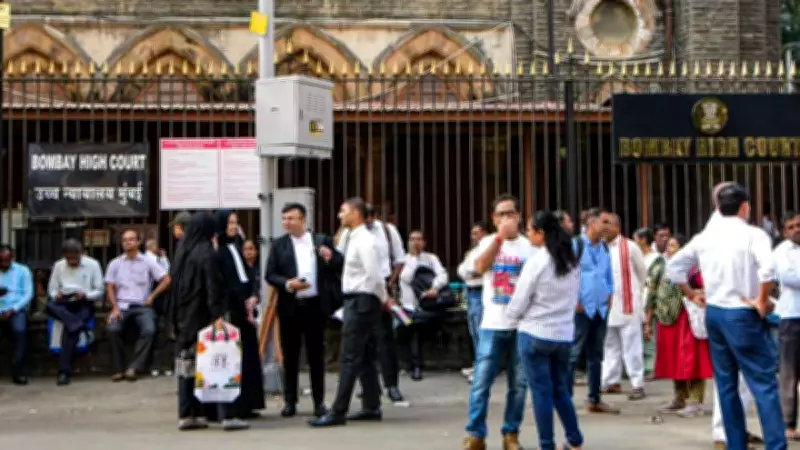
Bombay High Court Delivers Landmark Verdict in 2006 Malegaon Blast Case
In a significant judicial development, the Bombay High Court has acquitted four individuals accused in the 2006 Malegaon bomb blast case. The court also quashed all charges against them, bringing a dramatic turn to a case that has lingered for nearly two decades. The blast, which occurred on September 8, 2006, in the town of Malegaon in Maharashtra, resulted in the tragic deaths of 37 people and left more than 100 others injured.
Details of the Court's Ruling
The bench, comprising Justices A.S. Gadkari and P.D. Naik, delivered the verdict after a thorough review of the evidence presented by the prosecution. The court found that the evidence was insufficient to establish the guilt of the accused beyond a reasonable doubt. Specifically, the judges noted inconsistencies in the investigation and a lack of concrete proof linking the four individuals to the blast.
The acquitted individuals include:

- Riaz Ahmed, a local businessman
- Farooq Shaikh, a mechanic
- Salim Patel, a shopkeeper
- Imran Khan, a student
All four had been charged under various sections of the Unlawful Activities (Prevention) Act and the Indian Penal Code, including murder and conspiracy. The court's decision to quash these charges means that the accused are now free from legal proceedings related to this case.
Background of the 2006 Malegaon Blast
The blast took place near a mosque in Malegaon during Friday prayers, causing widespread panic and devastation. Initial investigations pointed towards a terrorist plot, with authorities suspecting the involvement of extremist groups. Over the years, the case saw multiple twists, including allegations of mishandling by investigative agencies.
The acquittal has sparked mixed reactions among the victims' families and legal experts. While some have welcomed the court's emphasis on due process, others have expressed disappointment, citing the long wait for justice and the emotional toll on the affected community.
Implications and Future Steps
This verdict underscores the importance of robust evidence in terrorism-related cases and highlights the challenges in prosecuting such complex matters. Legal analysts suggest that the ruling may prompt a re-evaluation of similar pending cases in Maharashtra and across India.
The prosecution has the option to appeal the decision in the Supreme Court, but no official statement has been made regarding such a move. Meanwhile, the acquitted individuals have expressed relief, with their lawyers emphasizing the need for fair trials and the protection of innocent lives from wrongful accusations.
As the dust settles, this case serves as a reminder of the delicate balance between national security and individual rights in the Indian judicial system.