

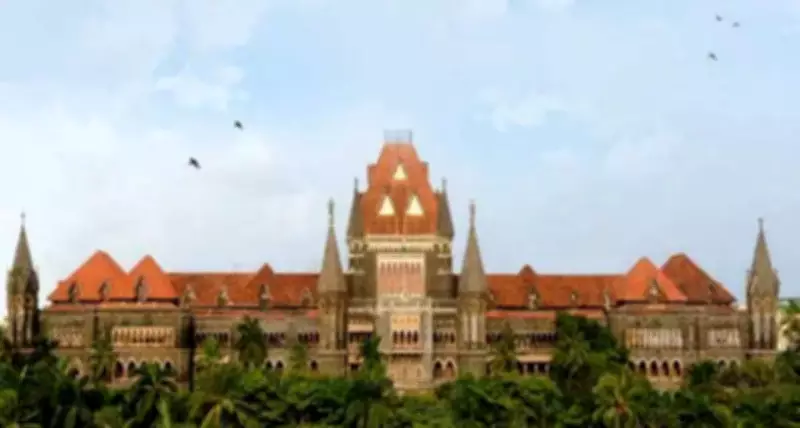
Bombay High Court Grants Interim Relief to Women Over 50 Seeking ART Treatment
In a significant development, the Bombay High Court on Wednesday granted interim relief to two women aged above 50, allowing them to proceed with requisite medical tests necessary to verify their fitness before undergoing assisted reproductive technology (ART) procedures using donor gametes.
Challenging Age Limits in ART Legislation
The case centers on a constitutional challenge to Section 21(g) of the Assisted Reproductive Technology Act, 2021, which establishes an upper age limit of 50 years for women and 55 years for men seeking reproductive healthcare through ART procedures. The petitioners, married women aged 53 and 55, have argued that these age restrictions are arbitrary, discriminatory, and violate their fundamental rights.
Through their lawyer Kalyani Tulankar, the women contended that the provisions limiting access to ART services based solely on age are unconstitutional. They specifically challenged the restriction on receiving gametes—both eggs and sperm cells—for women over 50 who wish to conceive and carry a pregnancy to term.

Court Appoints Legal Expert for Assistance
The division bench of Justices Ravindra Ghuge and Abhay Mantri heard extensive arguments in the matter before passing the interim order. Last month, the court had appointed former Maharashtra advocate general Ashutosh Kumbhakoni as amicus curiae (friend of the court) to assist with the legal aspects of this complex issue.
The court's decision to appoint Kumbhakoni came in March after noting the absence of analytical research-based data in the initial petition. The bench emphasized the need for medically substantiated information regarding whether women in their 50s can safely bear pregnancies.
Medical Fitness and Constitutional Questions
Both petitioners have presented medical certificates from their gynaecologist stating they are medically fit and capable of carrying a pregnancy to full term and delivering a child. The women sought interim relief specifically to undergo ART treatment through sperm donation while their constitutional challenge proceeds through the legal system.
The court's interim order represents a cautious approach, allowing the women to proceed with necessary medical evaluations while the broader constitutional questions are examined. The bench has indicated it wants research-backed material to determine whether women at this age can be medically competent to bear pregnancies safely.
Broader Implications for Reproductive Rights
This case raises important questions about reproductive autonomy, age discrimination in healthcare access, and the intersection of medical science with constitutional rights. The petitioners argue that the age-based restrictions in the ART Act unfairly limit reproductive choices without sufficient medical justification.
The interim relief granted by the Bombay High Court marks a preliminary victory for the petitioners while setting the stage for a more comprehensive examination of the ART Act's age restrictions. The outcome of this case could have significant implications for reproductive healthcare access across India, particularly for women seeking to conceive later in life through assisted reproductive technologies.






