

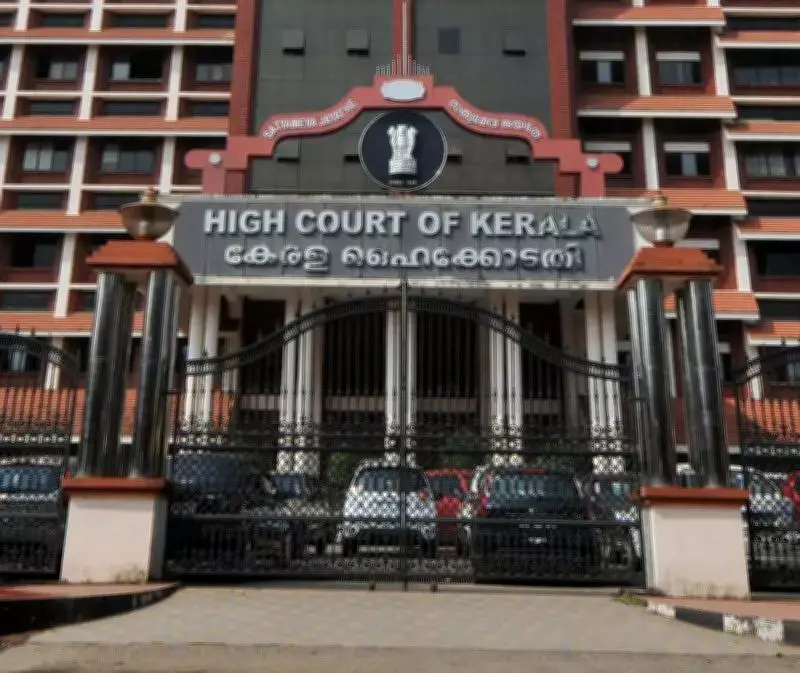
Kerala High Court Grants Permission for Devaswom Minister to Convene Thrissur Pooram Meeting
The Kerala High Court has issued a significant order permitting the state's Devaswom Minister to convene a crucial meeting in Thrissur to review preparatory works and ensure proper coordination for the upcoming Thrissur Pooram festival. This decision comes despite the ongoing enforcement of the election model code of conduct (MCC) across the state.
Court Order and Government Petition
A single bench of Justice S Manu delivered this ruling in response to a petition filed by the state government. The government sought a directive to the Election Commission to allow the Devaswom Minister to organize the meeting ahead of the Thrissur Pooram, which is scheduled to take place on April 26 and 27. The court's decision represents a notable exception to the strictures typically imposed by the MCC during election periods.
Election Commission's Strong Opposition
The Election Commission mounted a vigorous opposition to the government's petition during the proceedings. EC counsel argued that the commission had already authorized the Chief Secretary to conduct a review meeting concerning the festival. According to the Election Commission, the Chief Secretary had effectively convened such a meeting and taken all necessary steps to ensure the smooth and peaceful conduct of Thrissur Pooram.

The Election Commission further contended that the presence of the Devaswom Minister was unnecessary for this purpose. Counsel for EC submitted that permitting a political leader to convene such a meeting while the MCC remains in force would contravene the spirit of the election code. They emphasized that allowing such an action could create problematic perceptions among the public during the sensitive election period.
Government's Arguments and Historical Precedent
In contrast, the government pleader presented compelling arguments supporting the minister's involvement. He highlighted that there exists a long-standing practice whereby the Devaswom Minister traditionally convenes a meeting of all stakeholders in Thrissur prior to the Pooram festival to ensure its proper organization and execution.
The government pleader asserted that the minister's presence is essential to guarantee effective participation and coordination among all concerned parties. This includes various temple authorities, local administration, police departments, and other stakeholders involved in the massive festival preparations.
Significantly, the government pleader referenced a previous directive from a division bench in December 2025 that had permitted the Devaswom Minister to convene a meeting for coordinating activities related to the Sabarimala pilgrimage while the MCC for local body elections was in force. This precedent played a crucial role in the court's consideration of the current case.
Court's Final Ruling and Safeguards
After weighing both arguments, the single bench allowed the government's petition. The court directed that the Devaswom Minister be permitted to convene the Thrissur Pooram coordination meeting despite the ongoing model code of conduct.
However, the court included an important safeguard in its order. The bench specifically directed that a representative of the Chief Election Commissioner be permitted to attend the meeting. This measure is designed to ensure that no violations of the model code of conduct occur during the proceedings, maintaining the integrity of the election process while accommodating the festival's requirements.
Broader Implications and Festival Significance
This ruling underscores the complex balance between electoral regulations and cultural/religious obligations in Kerala. Thrissur Pooram represents one of the most significant temple festivals in Kerala, attracting thousands of devotees and tourists annually. The elaborate preparations involve multiple government departments, temple authorities, and security agencies, requiring high-level coordination.

The court's decision acknowledges both the practical necessities of festival organization and the importance of maintaining electoral propriety. By allowing the meeting with Election Commission oversight, the ruling attempts to reconcile these competing priorities while setting a precedent for similar situations during future election periods.





