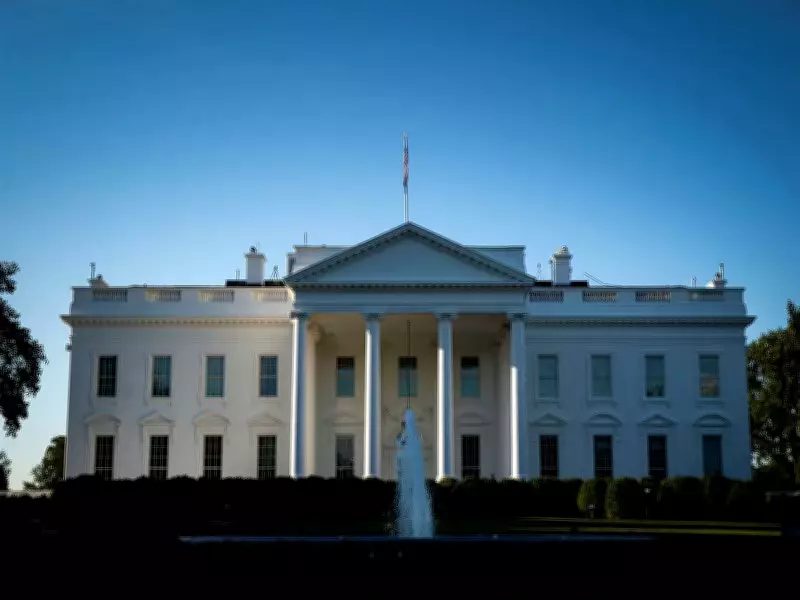
White House Drafts NATO 'Naughty and Nice' List to Gauge Allies' Iran War Stance
In a move that underscores the intricate diplomatic landscape surrounding Iran, the White House has reportedly drawn up a NATO 'naughty and nice' list to evaluate the positions of its allies regarding a potential conflict with Iran. This initiative reflects the Biden administration's efforts to navigate alliance dynamics and assess international support for its foreign policy strategies in the Middle East.
Details of the NATO Assessment List
The list, described as an internal tool for diplomatic assessment, categorizes NATO member countries based on their perceived alignment with U.S. stances on Iran. Allies deemed supportive or cooperative are placed on the 'nice' list, while those expressing reservations or opposition are marked on the 'naughty' list. This categorization aims to provide a clear overview of alliance cohesion and identify potential diplomatic challenges in the event of escalated tensions with Iran.
Key factors influencing the list include:

- Public statements by allied governments on Iran's nuclear program and regional activities.
- Voting records in international forums like the United Nations regarding sanctions or resolutions on Iran.
- Military cooperation and intelligence-sharing agreements related to Middle Eastern security.
- Economic ties with Iran, including trade and energy partnerships that might affect policy alignment.
Implications for NATO Unity and U.S. Diplomacy
The creation of this list highlights ongoing tensions within NATO over how to address Iran's actions, particularly its nuclear ambitions and support for proxy groups in the region. While the U.S. has historically taken a hardline approach, some European allies advocate for diplomatic engagement and adherence to the Iran nuclear deal. This divergence could strain alliance unity, especially if the U.S. considers military options.
Potential consequences of the assessment include:
- Increased diplomatic outreach to allies on the 'naughty' list to foster alignment.
- Adjustments in U.S. foreign aid or defense cooperation based on ally support levels.
- Enhanced coordination with 'nice' list countries to build a coalition for potential actions against Iran.
- Risks of public disagreements that might weaken NATO's collective stance on global security issues.
Broader Context of U.S.-Iran Relations
This development occurs against a backdrop of heightened U.S.-Iran tensions, with recent incidents involving drone strikes, nuclear facility advancements, and regional proxy conflicts. The White House's focus on NATO allies underscores the importance of multilateral support in any strategic response to Iran. By assessing ally positions, the administration aims to tailor its diplomatic and military strategies to ensure broader international backing, thereby mitigating risks of isolation or unilateral action.
Experts note that such lists, while informal, can influence diplomatic negotiations and alliance management. They serve as a barometer for U.S. priorities in the Middle East and reflect the challenges of maintaining coalition solidarity in complex geopolitical scenarios. As discussions continue, the 'naughty and nice' framework may evolve based on shifting ally positions and developments in Iran's behavior.