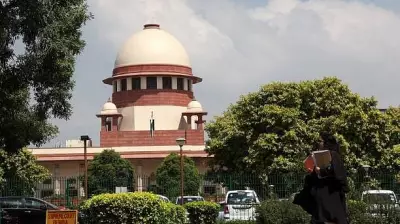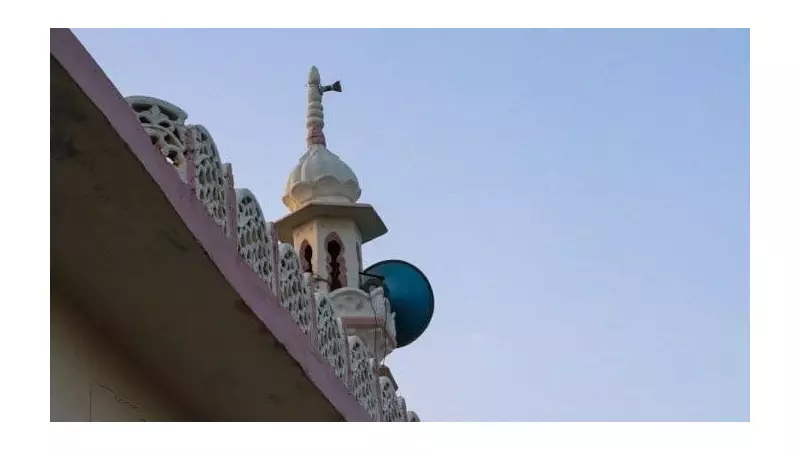
In a significant ruling, the Bombay High Court has dismissed a petition filed by a mosque seeking permission to use loudspeakers for its prayers. The court firmly stated that no religion mandates the use of voice amplifiers for offering prayers.
Court's Rationale and Key Observations
The bench hearing the case pointed out a crucial lack of evidence from the petitioner's side. The mosque was unable to submit any material to show that using loudspeakers was either mandatory or necessary for practicing their religion. This formed the core of the court's decision to reject the plea. The judgment underscores the legal principle that religious practices must be balanced with broader societal norms and laws, especially those concerning noise pollution.
The Legal and Social Context
This ruling comes amidst ongoing debates across India about the use of loudspeakers in religious places. The court's observation shifts the focus from religious rights to the aspect of necessity and legal compliance. By highlighting that no religious text compels the use of sound amplifiers, the judgment provides a precedent for similar cases. It reinforces the authority of noise pollution control regulations over claims of religious tradition when such traditions are not deemed essential.
Implications and Future Course
The decision is likely to have wide-reaching consequences for how religious institutions operate in urban spaces. It empowers local authorities to enforce noise control rules more strictly, irrespective of the institution's religious affiliation. The ruling was delivered on December 5, 2025, and is expected to be referenced in future legal disputes concerning noise pollution and religious freedoms. The court's stance is clear: while the freedom to practice religion is protected, it does not extend to practices that are not fundamental and that may disturb public order.