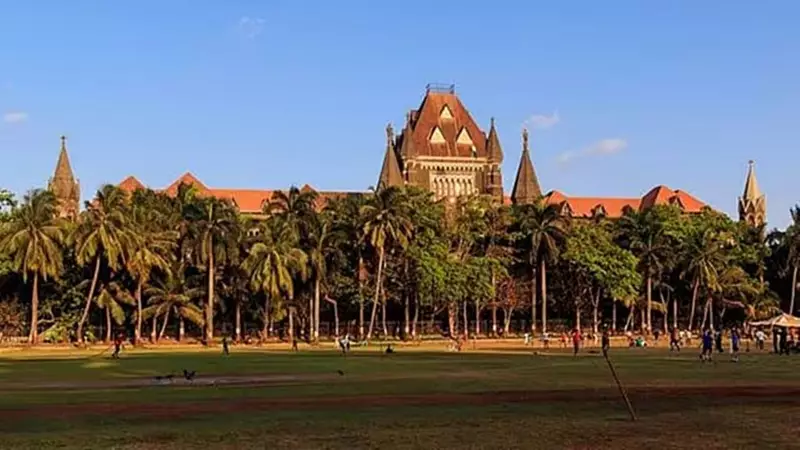
The Bombay High Court has come down heavily on the administration of Taloja Central Prison for failing to produce an undertrial prisoner before a court for nearly two years. The court has demanded a detailed explanation, questioning whether the fundamental legal right of an inmate to be presented before a magistrate is left to the 'whims and fancies' of jail authorities.
A Shocking Lapse Over Two Years
A division bench comprising Justice Bharati H Dangre and Justice Shyam C Chandak expressed profound dismay while hearing a habeas corpus petition. The case involved petitioner Satly Thomas, arrested on August 19, 2023 under the Narcotic Drugs and Psychotropic Substances (NDPS) Act. Astonishingly, records revealed that Thomas was not produced before the court, either physically or via video conference, on 66 out of 69 scheduled hearing dates over the past two years.
The bench, in its order dated December 9, stated, "We fail to understand why there is no production of the accused almost over a period of two years and that really shook our conscience." The judges highlighted that with video conferencing facilities fully operational at Taloja Jail, such a prolonged lapse was inexcusable.
Court Directs High-Level Inquiry
Taking serious note of this systemic failure, the High Court initiated a formal inquiry. It directed the Deputy Inspector General (DIG) of Prisons to investigate and file a report explaining the reasons behind the non-production of the accused. The court emphasized that the lapse was both 'grave' and 'inescapable'.
Furthermore, the bench issued a notice to the Director General of Police (Prisons) to examine this specific case. It sought clarity on whether the production of individuals in judicial custody is subject to arbitrary decisions by jail superintendents. The court also ordered Taloja jail authorities to submit a report detailing how many physical or virtual court appearances are facilitated daily and whether the existing video-conferencing infrastructure needs enhancement to prevent such recurrences.
Seeking Systemic Solutions
During a subsequent hearing on Monday, the court acknowledged the receipt of the DIG's report but stated that further clarifications were needed. The bench aims to resolve the systemic difficulties faced by the police and prison departments in producing accused persons across various courts in a structured manner.
The petitioner, represented by advocate Prasannan Namboodiri, had challenged his continued custody, citing the initial grievance of being produced before a magistrate beyond the mandatory 24-hour statutory period after arrest. The plea also sought the quashing of subsequent remand orders and requested bail. The High Court has scheduled the next hearing for December 16 to review the clarified reports and address the broader systemic issue.