

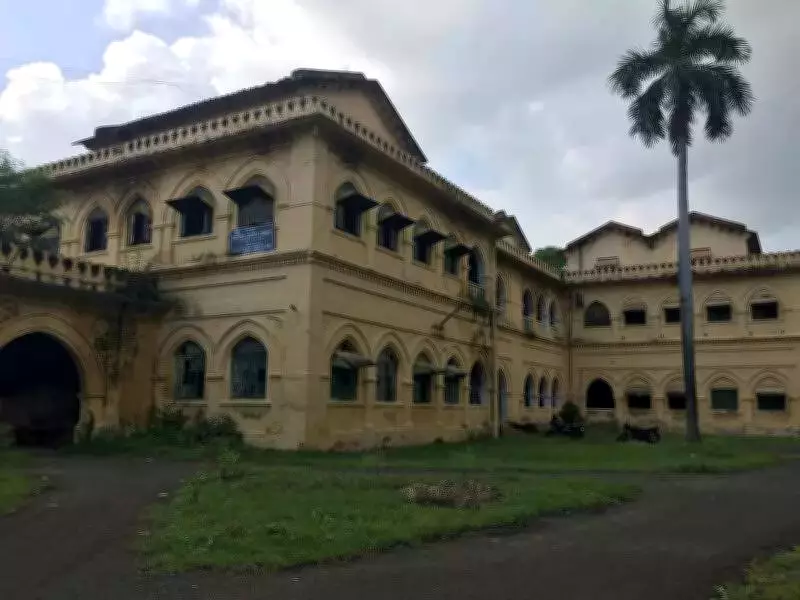
Bombay High Court Demands Comprehensive Details for Historic Nagpur Building Restoration
The Nagpur bench of the Bombay High Court issued a significant directive on Monday, calling for detailed information regarding the estimated cost and approval process for the repair of the historic Old High Court building. This British-era heritage structure, which has long served as a pivotal seat of justice, requires meticulous preservation to maintain its historical integrity.
Court's Specific Requirements for the Restoration Project
A division bench comprising Justices Anil Kilor and Raj Wakode instructed the Archaeology Department to submit a comprehensive affidavit. This document must specify the expected expenditure for the restoration work, outline the official approval process, and identify the individuals responsible for executing the repairs. The bench emphasized that the affidavit should include all stakeholders involved in the repair process and list them as respondents where necessary, ensuring transparency and accountability.
Legal Proceedings and Representation During the Hearing
During Monday's hearing, advocate Mugdha Chandurkar, representing the central government, briefed the court on the ongoing repair process. Advocate Shrirang Bhandarkar appeared for the petitioners, while advocate Ashutosh Dharmadhikari assisted the court as amicus curiae. The bench reiterated the importance of preserving this historical heritage building, highlighting its role as a longstanding symbol of justice in the region.

Emphasis on Heritage Preservation and Stakeholder Involvement
The court's directive underscores a firm commitment to safeguarding architectural heritage. By demanding detailed cost estimates and clear approval protocols, the bench aims to ensure that the restoration is conducted efficiently and effectively, with all relevant parties held accountable. This move reflects broader efforts to protect historical structures from neglect and decay, preserving them for future generations.
As the Archaeology Department prepares its affidavit, stakeholders and the public await further developments in this crucial preservation initiative. The outcome could set a precedent for similar heritage conservation projects across the region, emphasizing the legal system's role in upholding cultural and historical values.






