

CAG Audit Uncovers Critical Failures in Gujarat's Narcotics Management
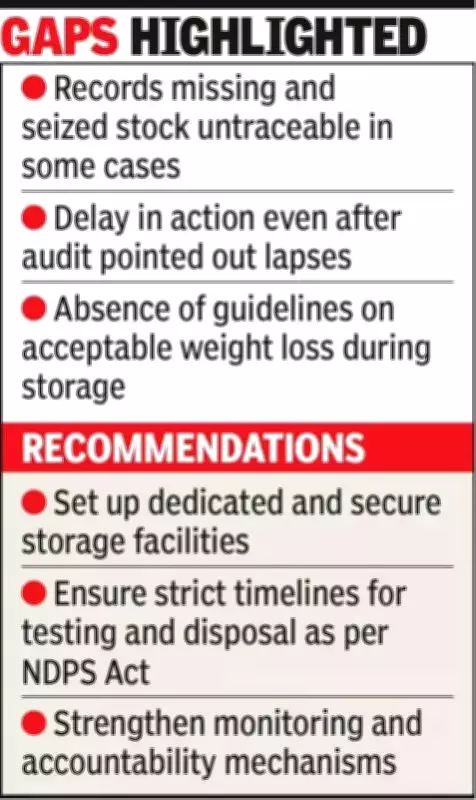
The Comptroller and Auditor General (CAG) of India has issued a damning report highlighting severe deficiencies in the storage and disposal of seized narcotics by the Gujarat home department. The audit, released on Wednesday, calls for urgent reforms, including the establishment of dedicated storage infrastructure and adherence to prescribed timelines for drug disposal to prevent further lapses.
Missing Drugs and Inadequate Explanations
The audit uncovered that large quantities of seized drugs have gone missing across various police units in Gujarat. Authorities attributed these shortfalls to reasons such as theft, destruction by rodents, and loss due to drying or moisture. However, the CAG report asserts that these explanations do not fully account for the extent of the discrepancies, suggesting potential mismanagement or negligence.
Systemic Delays and Non-Compliance
According to established rules, seized drugs must be deposited in secured vaults within 48 hours, tested by forensic laboratories, and disposed of through a formal drugs disposal committee. The audit found multiple delays at every stage of this process:

- Pending forensic reports, with some cases delayed for up to 23 years.
- Late applications filed before magistrates, often well beyond the prescribed 30-day deadline after receiving forensic reports.
- Prolonged storage of drugs without proper disposal, even after forensic reports were available.
For instance, the Anti-Terrorism Squad (ATS) seized 2,968.476 kilograms of drugs between 2016 and 2023 in 33 cases. Of this, 650.582 kilograms seized between 2019 and 2022 remained undisposed as of February 2024, highlighting significant backlogs.
Improper Storage and Security Risks
The report noted instances where seized drugs were stored in regular rooms instead of secured vaults, making them vulnerable to theft and pilferage. This improper storage compromises the integrity of the evidence and increases the risk of drugs being diverted back into illegal channels.
Specific Cases Highlighting Lapses
In one alarming case, the Bharuch district police were unaware of the location of 24.5 kilograms of charas and ganja. Additionally, the CID Crime office claimed that all drugs were disposed of between 2021 and 2024, but the audit revealed only 4,177.86 kilograms were actually disposed of. The shortfall included 144.180 kilograms of ganja stolen, along with losses attributed to rat destruction and moisture reduction.
Impact on Criminal Justice and Government Response
These lapses not only increase the risk of narcotics re-entering the illegal market but also undermine the criminal justice process by delaying legal proceedings. The state government was informed of these findings in July 2025, but as of November 2025, its response remains awaited, indicating a lack of immediate corrective action.
The CAG report serves as a critical wake-up call for Gujarat's authorities to overhaul their narcotics management systems, ensuring stricter compliance and transparency to safeguard public safety and judicial integrity.






