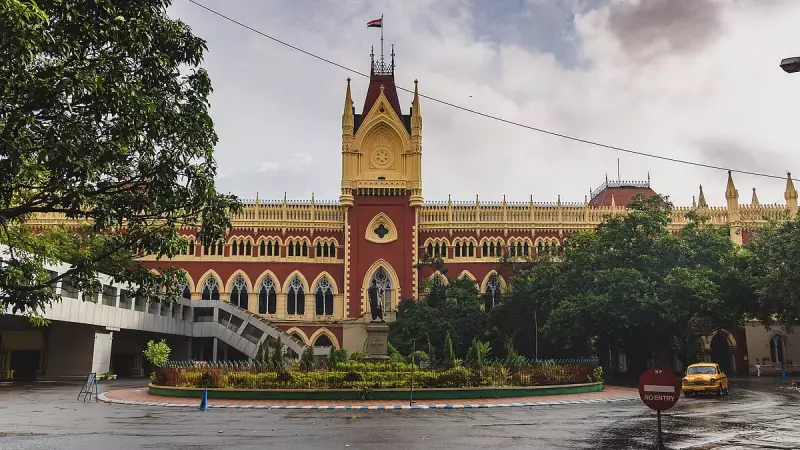
The Calcutta High Court has declined to intervene in the planned foundation stone-laying ceremony for a mosque in Murshidabad, West Bengal, which is said to be modelled on the design of the historic Babri Masjid. The court's decision came in response to a Public Interest Litigation (PIL) that sought an immediate stay on the event.
Court Dismisses PIL Seeking Stay
The PIL was formally filed before the court on Thursday, 5 December 2025. The petitioners argued that the planned ceremony had the potential to disrupt communal harmony in the Murshidabad region. They requested the judiciary to halt the proceedings to prevent any possible law and order situation or social tension.
However, after considering the submissions, the Calcutta High Court found no compelling reason to issue a stay order. The bench determined that the grounds presented in the litigation did not warrant judicial intervention at this stage. The court's ruling effectively allows the organizers to proceed with the ceremony as planned.

Details of the Controversial Project
The project at the center of the legal challenge involves the construction of a new mosque in Murshidabad district. Reports indicate that its architectural blueprint is inspired by the Babri Masjid, a structure in Ayodhya that has been a long-standing focal point of socio-political and religious discourse in India. The decision to emulate this specific design has drawn significant public attention and sparked debate.
The timing of the PIL, filed just a day before the court's decision on 5 December 2025, highlighted the sensitivity surrounding the project. The petitioners' primary concern was the preservation of peace and communal amity in the area, fearing that the symbolism associated with the design could lead to unrest.
Implications and the Path Forward
With the High Court's refusal to intervene, the path is now clear for the foundation stone-laying ceremony to take place. This decision places the onus on the local administration and law enforcement agencies to ensure the event is conducted peacefully and without any incident.
The court's stance underscores a principle of judicial restraint in matters where a direct threat to public order is not conclusively established. It also highlights the ongoing complexities surrounding religious symbolism and architecture in India's public sphere. The development in Murshidabad will be closely watched by various community groups and political observers in the state and beyond.