

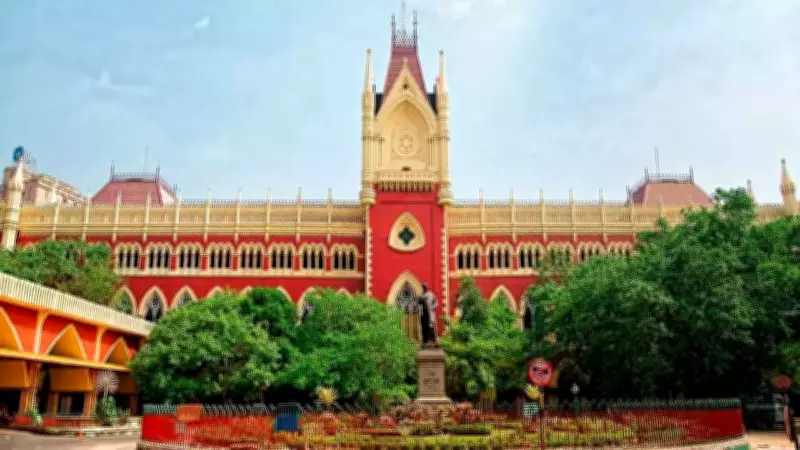
Calcutta High Court Intervenes to Save Lives, Overrules Health Department Block on Kidney Transplants
In a significant ruling, the Calcutta High Court has stepped in to grant life-saving kidney transplants for two women suffering from renal failure, overturning the state health department's authorization committee's decision to block the procedures. The court's intervention came after the committee rejected the transplants based on what the judiciary termed "flimsy" suspicions, despite clear verification reports from police and sub-divisional officers finding no wrongdoing.
Court Orders Immediate Permission Within 24 Hours
Justice Krishna Rao issued a directive on March 6, ordering the authorization committee to grant permission for the transplants within 24 hours. The court also instructed the respective hospitals where the surgeries are scheduled to proceed without delay. This judicial intervention has provided a crucial lifeline to both patients, who had been languishing on provisional transplant lists with their health deteriorating.
The Narendrapur Patient's Case: A Mother of Three Fighting for Survival
The first patient, a resident of Narendrapur and mother to three minor children, was diagnosed with kidney failure on November 4, 2021, and has been dependent on dialysis since. Belle Vue Clinic recommended a kidney transplant on May 30, 2025, as her condition worsened. Unable to find a related donor, her family turned to a family friend who volunteered to donate a kidney out of genuine affection and humanitarian concern.

Despite comprehensive documentation including a verification report from the SDO of Barrackpore sub-division confirming no financial transactions, the authorization committee rejected the application. The committee claimed, without substantial evidence, that an invoice from 2019 appeared to be "freshly prepared, manipulated, and fabricated." This forced the family to seek legal recourse through the high court.
The Madhya Pradesh Patient's Struggle: A Kolkata Resident's Battle
The second patient, originally from Madhya Pradesh but currently residing in Lake Gardens, Kolkata, was diagnosed with kidney failure on February 5, 2024. ILS Hospital advised an urgent transplant, but like the first patient, she couldn't find a suitable relative donor. A friend of her husband, a Kolkata resident with O-positive blood group, volunteered to donate a kidney on purely humanitarian grounds. Medical tests confirmed the donor was a perfect match.
However, the authorization committee stalled her transplant on similar grounds of suspicion, though interestingly, they didn't provide their refusal in writing this time. This lack of formal documentation further complicated her case until the high court's intervention.
High Court's Strong Rebuke of Health Department's Approach
The Calcutta High Court delivered a sharp critique of the authorization committee's handling of both cases. The court noted that once the donors had submitted affidavits stating their intentions were purely to save lives, and police verification found no financial transactions, the committee's refusal was unreasonable.
"This court fails to appreciate that once the donor has given an affidavit... stating the fact that he is a well-wisher of the patient and intends to donate his organ only to save the life of the patient, and during the police verification no financial transaction was found, the authorities have refused the request in a flimsy manner," the court stated in its order.
Transplant Timeline and Next Steps
With the court's directive now in effect:
- The transplant for the Madhya Pradesh woman is scheduled to take place this week
- The procedure for the Narendrapur patient is planned for next week
- Both hospitals have received specific instructions to proceed with the surgeries
- The authorization committee must comply with the 24-hour permission deadline
This case highlights the critical balance between necessary vigilance against organ trafficking and the urgent need to save lives through legitimate organ donation. The court's intervention ensures that bureaucratic hurdles don't cost patients their chance at recovery when all verification processes have been properly completed.






