

Calcutta High Court Slashes Sentence, Citing 15-Year Litigation Delay as Punishment
In a landmark ruling, the Calcutta High Court has significantly reduced the sentence of a man convicted of assault, emphasizing that prolonged litigation itself constitutes a form of punishment. The court observed that the "sword of litigation" hanging over the convict's head for nearly 15 years violated his fundamental rights, leading to a reduction in his jail term while increasing the financial penalty.
Case Background and Judicial Reasoning
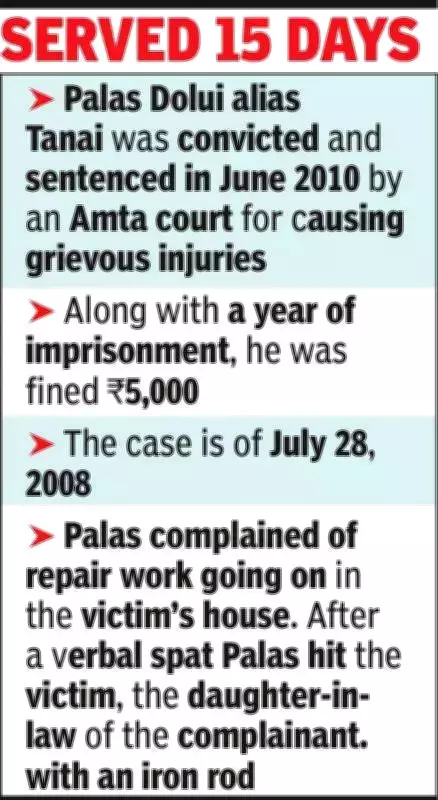
Justice Prasenjit Biswas found Palas Dolui, also known as Tanai, guilty of grievously injuring a woman during a neighborhood dispute in June 2008. Dolui was initially sentenced to one year in prison by a lower court in 2010. However, his appeal against this conviction remained pending for approximately 15 years, a delay the High Court deemed unacceptable and unjust.
The court highlighted that Dolui had already spent 15 days in custody—from his arrest on July 29, 2008, until he was granted bail on August 12, 2008. During his time on bail, he did not engage in any criminal activities or misuse his liberty, a factor noted by the judge in the decision.

Key Legal Principles Invoked
In its judgment, the Calcutta High Court underscored several critical aspects of criminal justice:
- Right to Speedy Trial: The court affirmed that the right to a speedy trial is an integral part of the right to life and personal liberty under Article 21 of the Indian Constitution. Any undue delay in criminal proceedings, especially when not caused by the accused, violates this fundamental right.
- Fairness and Timeliness: Justice Biswas stated, "The concept of justice is not confined merely to the imposition of punishment but extends to ensuring fairness, reasonableness, and timeliness in the administration of criminal justice." This principle guided the court's decision to modify the sentence.
Revised Sentence and Implications
As a result of the ruling, Dolui's one-year sentence was reduced to the 15 days he had already served. Concurrently, the court enhanced the fine from Rs 5,000 to Rs 10,000. This adjustment reflects a balance between acknowledging the delay's punitive effect and maintaining accountability for the original offense.
The decision serves as a stark reminder to the judicial system about the importance of expediting cases to uphold constitutional rights. It may influence future rulings where delays in litigation are a significant factor, potentially leading to more sentences being reduced or fines adjusted in similar circumstances.
This case from Joypur, Kolkata, highlights ongoing challenges in India's legal framework regarding case backlogs and the need for reforms to ensure timely justice delivery. The ruling reinforces that justice delayed can indeed be justice denied, impacting both the accused and the broader integrity of the legal process.






