Canadian Homeowners Face Legal Liability for Icy Driveway Injuries
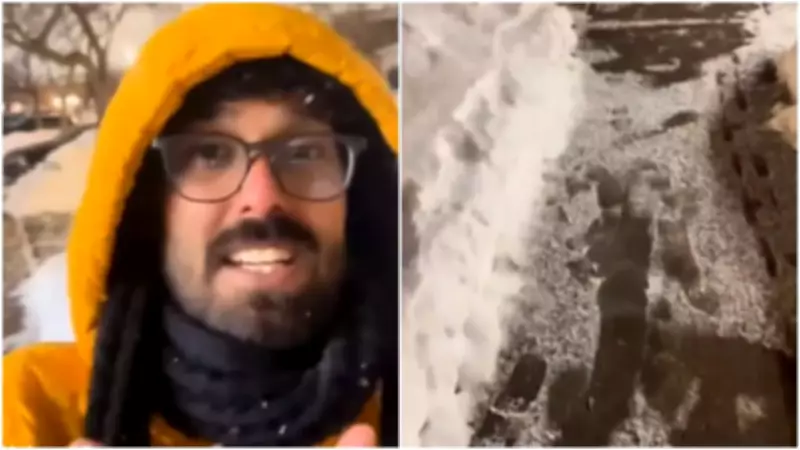
A viral video circulating across social media platforms has sparked widespread discussion about property owner responsibilities in Canada. The clip features an Indian immigrant explaining that homeowners, including those of Indian origin, can potentially face lawsuits amounting to tens of thousands of dollars if visitors slip and sustain injuries on icy driveways.
Viral Video Details Legal Responsibilities
In the widely shared footage, the man specifically addresses Canadian liability regulations, emphasizing that property owners bear the legal obligation to maintain driveways clear of snow and ice accumulation. He illustrates his point by stating, "You see this driveway? If I go here running, by chance I fall here as it's slippery, okay. And I fall and get injured, then do you know who will have to pay for this?"
The individual further claims that financial compensation for such incidents could range between $20,000 and $40,000, depending directly on injury severity. While clarifying he personally wouldn't pursue such claims, he stresses this represents the homeowner's statutory duty to ensure safe conditions.

"So if your friend is going to catch a bus and by chance slips on the driveway, then send them this video, you can directly claim," he advises viewers in the recording.
Legal Framework and Insurance Implications
Legal experts confirm that Canadian homeowners can indeed face litigation if individuals slip and fall on sidewalks or driveways, particularly when negligence is established. Provincial occupiers' liability legislation generally mandates property owners maintain reasonably safe, hazard-free environments for visitors.
Insurance industry representatives explain that liability determination hinges on whether homeowners implemented reasonable preventive measures. These include timely snow removal, application of de-icing materials like salt, and adherence to local municipal bylaws governing winter maintenance.
Most slip-and-fall injury claims are processed through homeowners' insurance policies rather than requiring personal out-of-pocket payments. Each case undergoes individual assessment considering multiple factors:
- Weather conditions during the incident
- Local government regulations and compliance
- Promptness of hazard response
- Documentation of maintenance efforts
- Severity and circumstances of injuries sustained
The legal principle centers on whether property owners exercised due diligence in preventing foreseeable accidents. Those who demonstrate reasonable care typically avoid liability, while those neglecting basic winter maintenance may face significant financial consequences.
This clarification comes amid increasing awareness among immigrant communities about Canadian legal systems and property responsibilities. The viral video has prompted discussions about winter preparedness and insurance coverage adequacy among homeowners nationwide.