CBI Court Frames Charges Against Former Haryana CM's Secretary and Son in ₹14 Crore Disproportionate Assets Case
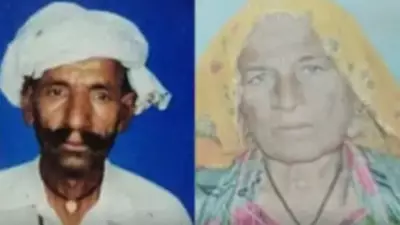
A Special CBI court in Panchkula has taken a significant step in a high-profile corruption case by framing charges against Murari Lal Tayal, the former principal secretary to then Haryana Chief Minister Bhupinder Singh Hooda, and his son Kartik Tayal. The case revolves around allegations of amassing disproportionate assets worth over ₹14 crore, marking a serious development in the ongoing legal proceedings.
Court Proceedings and Charges Framed
According to the court order accessed by TOI, Special CBI Judge Rajeev Goyal formally framed the charges against the father-son duo on January 20. The court has scheduled March 9 as the next date for the trial to commence, setting the stage for a detailed examination of the evidence and allegations. This move underscores the judiciary's commitment to addressing corruption cases involving public officials.
In a notable twist, the court discharged Murari Lal Tayal's wife, Savita Tayal, from the case. This decision came after the competent authority declined to grant sanction to prosecute her, highlighting the legal complexities and procedural requirements in such matters. The court's order emphasized that without sanction for offences under the Prevention of Corruption Act, she could not be proceeded against under related provisions of the Indian Penal Code.

Details of the Disproportionate Assets Allegations
The CBI had earlier filed a chargesheet accusing Tayal and his family of accumulating assets disproportionate to their known income by an alarming 81% between 2006 and 2014. Investigators alleged that during this check period, the family acquired assets valued at approximately ₹26.3 crore against a reported income of ₹17.3 crore. The disproportionate amount, estimated at over ₹14 crore, points to potential misuse of public office for personal gain.
The assets in question include properties located in prime areas such as Chandigarh, Gurugram, and Delhi. The CBI's probe suggested that Murari Lal Tayal, who held a powerful position in the Chief Minister's Office (CMO), allegedly misused his authority to facilitate illegal land releases, thereby enabling the accumulation of these assets. This has raised concerns about transparency and accountability in governance.
Legal Framework and Parallel Investigations
Murari Lal Tayal will face trial under Sections 13(2) read with 13(1)(e) of the Prevention of Corruption Act, as amended in 2018. These sections pertain to criminal misconduct by a public servant and possession of disproportionate assets. Meanwhile, Kartik Tayal will be tried under Section 109 of the Indian Penal Code, which deals with abetment, read with the same provisions of the Prevention of Corruption Act.
The CBI filed the chargesheet last year, but the sanction to prosecute Murari Lal Tayal was only furnished in September, indicating delays in the bureaucratic process. In a parallel development, the Enforcement Directorate has launched a probe under the Prevention of Money Laundering Act (PMLA), adding another layer to the investigation and potentially uncovering broader financial irregularities.
Court's Rationale for Discharging Savita Tayal
The court provided a detailed explanation for discharging Savita Tayal, noting that she was not charged with any independent or substantive offence under the Indian Penal Code other than abetment under Section 109. Since the sole object of the alleged abetment was the commission of offences under the Prevention of Corruption Act, and sanction to prosecute her under that Act was declined, the court ruled that no cognisance could be taken against her. This decision underscores the importance of legal sanctions in corruption cases and the procedural safeguards in place.
As the case moves forward, it will be closely watched for its implications on anti-corruption efforts and the accountability of public officials in India. The framing of charges marks a critical juncture, paving the way for a thorough trial that could set precedents for similar cases in the future.