Police Directive Mandates CCTV Surveillance at Bus Stops in Central Districts
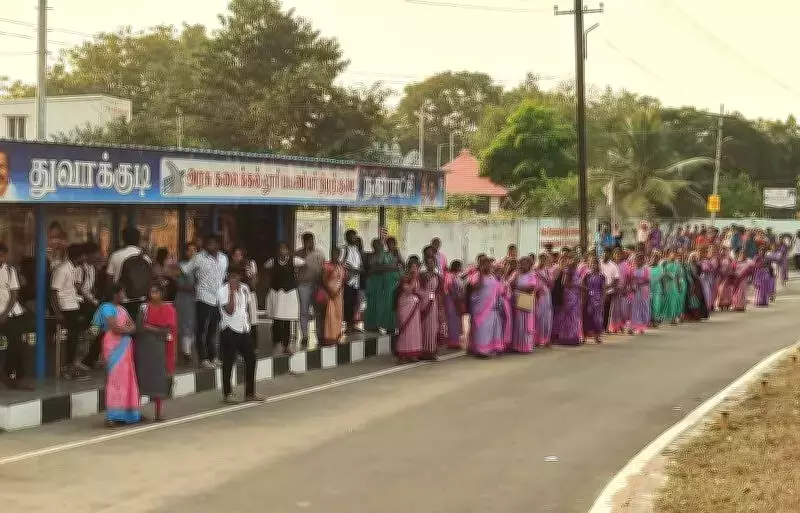
In a significant move to bolster public security, district police units across nine central districts have received explicit instructions to install CCTV cameras at all bus stops. This initiative aims to enhance safety measures and effectively curb criminal activities in these high-traffic public areas.
Current Surveillance Coverage Reveals Significant Gaps
At present, the existing surveillance infrastructure covers only approximately 30% of bus stops and shelters throughout these districts. This leaves a substantial majority of locations without any electronic monitoring, creating potential vulnerabilities for commuters and the general public.
Comprehensive District-Wide Statistics
The nine districts encompass a total of 3,577 bus stops, with the following distribution:

- Trichy: 539 stops
- Pudukottai: 646 stops
- Karur: 328 stops
- Perambalur: 211 stops
- Ariyalur: 273 stops
- Thanjavur: 691 stops
- Tiruvarur: 409 stops
- Nagapattinam: 138 stops
- Mayiladuthurai: 342 stops
Of these 3,577 locations, CCTV cameras have been successfully installed at only 1,069 bus stops. The district-wise breakdown of current coverage presents a varied picture:
- Trichy: 213 installations (39.5% coverage)
- Pudukottai: 179 installations (27.7% coverage)
- Karur: 136 installations (41.4% coverage)
- Perambalur: 60 installations (28.4% coverage)
- Ariyalur: 46 installations (16.8% coverage)
- Thanjavur: 204 installations (29.5% coverage)
- Tiruvarur: 63 installations (15.4% coverage)
- Nagapattinam: 101 installations (73.1% coverage)
- Mayiladuthurai: 67 installations (19.5% coverage)
Disparities in District Coverage Levels
Nagapattinam district stands out with the highest share of CCTV installations at 73.1%, making it the only district where coverage exceeds or reaches the 50% threshold. In stark contrast, districts such as Mayiladuthurai, Tiruvarur, and Ariyalur demonstrate the lowest coverage levels, all remaining below 20%.
Overall, the statistics reveal that 2,610 bus stops across these nine districts still lack CCTV cameras, representing nearly 70% of all locations. This substantial gap underscores the urgent need for accelerated implementation of surveillance measures.
Police Leadership Issues Clear Directives
Central Zone Inspector General of Police V Balakrishnan has issued a formal press note instructing superintendents of police across all nine districts to expedite the installation of CCTV surveillance cameras. The directive emphasizes ensuring comprehensive coverage at all locations where cameras are currently absent.
Multiple Benefits of Enhanced Surveillance
Inspector General Balakrishnan highlighted several critical advantages of implementing CCTV surveillance at bus stops:
- Crime Prevention: The presence of cameras serves as a deterrent to criminal activities.
- Offender Identification: Surveillance footage enables quick identification of perpetrators in criminal cases.
- Suspicious Activity Monitoring: Cameras facilitate continuous monitoring of individuals exhibiting suspicious behavior.
- Vehicle Tracing: The system assists in tracing unidentified vehicles involved in road accidents.
- Investigation Acceleration: Video evidence significantly speeds up investigative processes.
- Road Safety Enhancement: Surveillance supports comprehensive efforts to reduce road accidents.
This comprehensive approach to public safety represents a proactive measure by law enforcement authorities to create more secure environments for daily commuters and residents across the central districts.