Centre Informs High Court on DRT Arrangement in Chandigarh
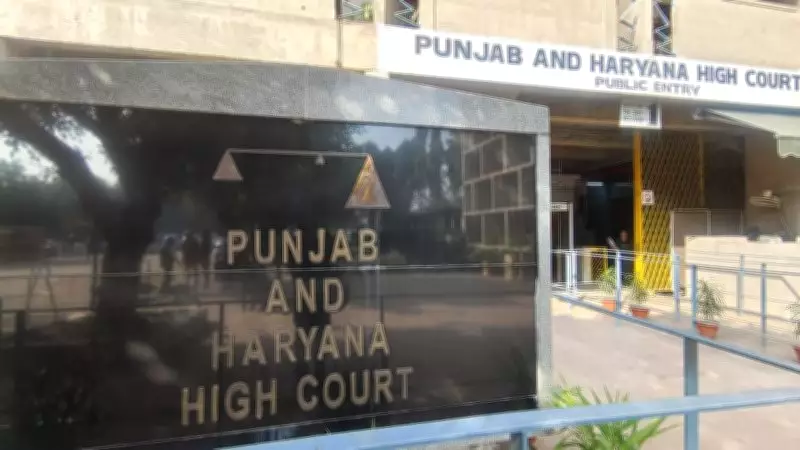
The Central government has officially communicated to the Punjab and Haryana High Court that a single Debts Recovery Tribunal (DRT) in Chandigarh will continue to function under an additional charge arrangement for the immediate future. This statement was made in response to judicial concerns regarding the operational status and vacancies within the tribunal system, which plays a critical role in resolving financial disputes and recovering bad debts.
Judicial Concerns Prompt Government Response
The High Court had previously raised significant questions about the functioning of DRTs in the region, particularly focusing on the impact of prolonged vacancies and the potential delays in debt recovery cases. These tribunals are essential for banks and financial institutions to expedite the resolution of non-performing assets and other loan-related disputes, making their efficient operation vital for the financial ecosystem.
In its submission, the Centre acknowledged the ongoing challenges but assured the court that the current setup, with one DRT operating under additional charge, is a temporary measure to ensure continuity of services. The government emphasized that this arrangement is intended to prevent a complete halt in tribunal proceedings while more permanent solutions, such as filling vacant positions or restructuring the tribunal framework, are being actively considered.
Implications for Debt Recovery and Legal Processes
The continuation of a single DRT under additional charge has several implications for stakeholders involved in debt recovery cases. Firstly, it may lead to increased caseloads for the presiding officer, potentially affecting the speed and efficiency of case disposals. However, the Centre's assurance aims to mitigate these risks by maintaining at least a minimal level of judicial oversight and case processing.
Legal experts highlight that this situation underscores broader issues within the tribunal system, including recruitment delays and administrative bottlenecks. The High Court's intervention has brought these systemic problems to the forefront, prompting the government to address them more urgently. Stakeholders, including banks and borrowers, are advised to stay informed about any further developments or changes in the tribunal's operational status.
Future Steps and Government Commitments
Looking ahead, the Centre has indicated that it is working on long-term strategies to strengthen the DRT framework across the country. This includes plans to expedite the appointment of full-time presiding officers and enhance the infrastructure supporting these tribunals. The government's response to the High Court is seen as a step towards greater transparency and accountability in the management of judicial bodies responsible for financial dispute resolution.
In conclusion, while the current arrangement for the Chandigarh DRT under additional charge is a stopgap measure, it reflects the government's commitment to ensuring that debt recovery processes remain functional amidst challenges. The High Court's oversight continues to play a crucial role in holding authorities accountable and pushing for systemic improvements in the tribunal system.