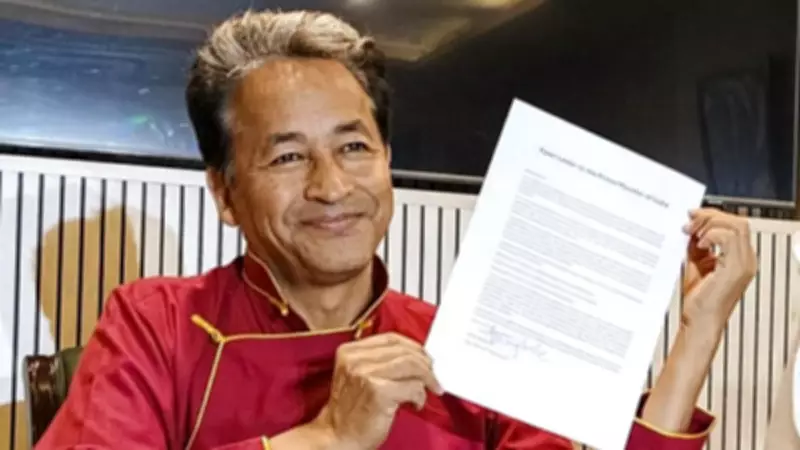
Centre Informs Supreme Court About Sonam Wangchuk's Detention Under NSA
The Government of India has formally informed the Supreme Court that prominent Ladakh activist and innovator Sonam Wangchuk has been detained under the National Security Act (NSA) for allegedly instigating people in sensitive border areas. This submission came during a hearing where the Centre defended its actions regarding Wangchuk's detention.
Government's Legal Position on the Detention
During the court proceedings, Solicitor General Tushar Mehta, representing the Centre, contended that Sonam Wangchuk has been given fair treatment throughout the detention process. Mehta emphasized that all provisions of the National Security Act have been scrupulously complied with in this case, suggesting that proper legal protocols were followed without deviation.
The government's position rests on the assertion that Wangchuk's activities in border regions constituted a threat to national security, warranting preventive detention under the stringent NSA provisions. This legal framework allows for detention without formal charges to prevent activities deemed prejudicial to national security.

Context of the Border Area Concerns
The reference to border areas in the government's submission highlights the sensitive nature of the regions where Wangchuk was allegedly active. Ladakh, being a strategically important border territory, has seen increased attention from security authorities in recent years.
Wangchuk, known primarily for his educational innovations and environmental activism in Ladakh, has recently been involved in protests demanding greater autonomy and statehood for the region. The government's characterization of his activities as instigation in border areas represents a significant escalation in how authorities view his political activism.
Legal Scrutiny of NSA Implementation
The Supreme Court hearing represents a crucial judicial examination of how the National Security Act is being implemented in this high-profile case. The government's assurance of scrupulous compliance with all NSA provisions will likely face detailed scrutiny from the judiciary.
Legal experts note that NSA detentions require periodic review and specific grounds related to national security threats. The government's submission suggests they believe they have met these legal thresholds in Wangchuk's case, though civil liberties organizations have raised concerns about the use of preventive detention laws against activists.
The case continues to develop as the Supreme Court examines the legality of the detention and the government's claims regarding Wangchuk's activities in sensitive border regions.