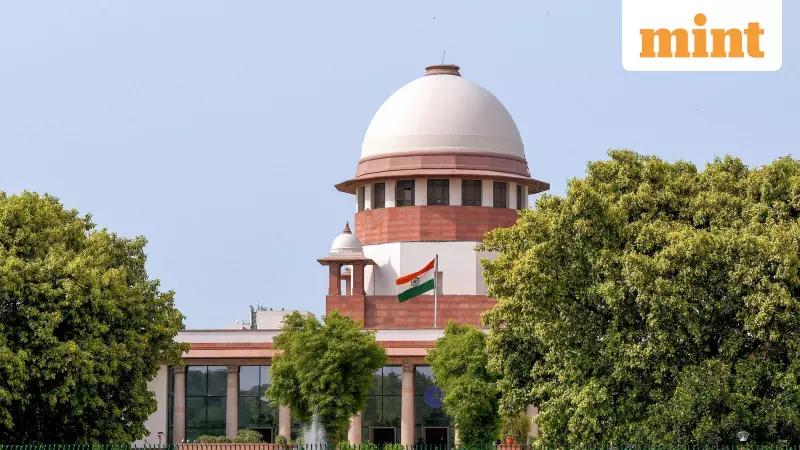
In a significant humanitarian and legal development, the Central government has informed the Supreme Court of India that it will facilitate the return of a pregnant woman and her young son who were recently deported to Bangladesh. The decision comes amid growing concerns that the individuals might, in fact, be Indian citizens.
A Reversal on Humanitarian and Legal Grounds
The case involves Sunali Khatun, who is pregnant, and her 8-year-old son. They were deported after being identified as Bangladeshi nationals. However, the government's stance shifted following the Supreme Court's intervention. The apex court had previously questioned the Centre on the possibility of bringing them back, especially given their claim to Indian citizenship.
The Court emphasized the unique nature of their plea, noting that if Sunali is indeed the daughter of a man named Bhodu, the case must be viewed from a completely different legal perspective concerning nationality. This prompted the government to act, combining the possibility of their legitimate citizenship claim with humanitarian considerations, particularly due to Sunali's pregnancy.
Supreme Court's Directives and Medical Care
Demonstrating immediate concern for the woman's health, the Supreme Court issued a specific order alongside the repatriation decision. It directed the State to ensure that Sunali Khatun receives free medical treatment for her pregnancy upon her return to India. This order underscores the court's focus on welfare while the complex question of citizenship is examined.
Next Steps and Hearing
The legal process is far from over. The court has scheduled the next hearing in this sensitive matter for December 12. On this date, further examination of the evidence and claims regarding the family's citizenship status will take place. The government's commitment to repatriate them sets a crucial precedent for similar cases where deportation may have occurred without a thorough verification of citizenship claims.
This case highlights the critical balance between immigration enforcement and the protection of human rights, especially when vulnerable individuals like pregnant women and children are involved. The Supreme Court's proactive role in seeking clarification and ensuring medical care has been pivotal in this unfolding story.