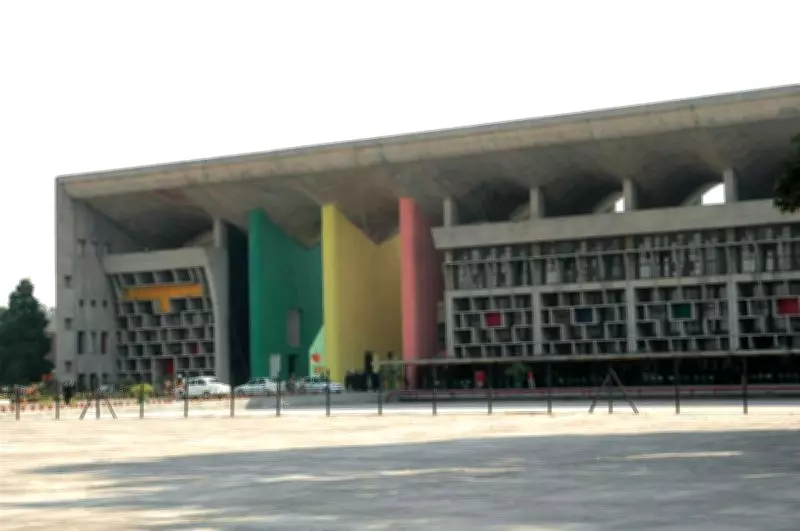
Chandigarh High Court Expansion Plans Paused for Heritage Review
The ambitious expansion project for the Punjab and Haryana High Court in Chandigarh has encountered a significant procedural hurdle. The court's plans to construct additional courtrooms and administrative facilities are currently stalled, as authorities await the submission of a comprehensive heritage impact assessment report from the Chandigarh Union Territory (UT) Administration. This development underscores the delicate balance between modern infrastructural needs and the preservation of Chandigarh's iconic architectural legacy, designed by the renowned architect Le Corbusier.
Legal Mandate for Heritage Assessment
During a recent hearing, the High Court explicitly directed the UT Administration to furnish the heritage impact assessment report. This report is a critical component required under the Heritage Regulations of Chandigarh, which govern any construction or modification within the city's heritage zones. The regulations mandate that any proposed development in these areas must undergo a thorough evaluation to assess its potential effects on the city's unique architectural and cultural heritage. The court emphasized that without this essential document, the expansion project cannot proceed to the next stages of approval and implementation.
Implications for Judicial Infrastructure
The expansion initiative aims to address the growing caseload and space constraints faced by the High Court. Proposed enhancements include the addition of new courtrooms, judges' chambers, and support offices, which are intended to improve judicial efficiency and accessibility. However, the delay imposed by the heritage assessment highlights the broader challenges of urban development in historically significant cities. Officials involved in the project have noted that while the need for expanded facilities is urgent, compliance with heritage conservation laws is non-negotiable to maintain Chandigarh's status as a UNESCO-listed modern heritage city.

Stakeholder Responses and Next Steps
Stakeholders, including judicial authorities and heritage conservationists, have expressed mixed reactions to the pause. Some advocate for expediting the assessment to avoid prolonged delays in much-needed judicial infrastructure, while others stress the importance of meticulous evaluation to prevent irreversible damage to Chandigarh's architectural integrity. The UT Administration has assured the court that it is prioritizing the preparation of the report, with teams working to analyze the expansion's potential impacts on surrounding heritage structures and the city's overall aesthetic. Once submitted, the report will be reviewed by the court and relevant heritage committees, determining whether the project can proceed with modifications or if further safeguards are necessary.
This situation serves as a poignant example of the ongoing dialogue between development and preservation in India's urban landscapes. As Chandigarh continues to evolve, the outcome of this assessment could set a precedent for how heritage cities nationwide balance growth with conservation, ensuring that progress does not come at the cost of cultural identity.