

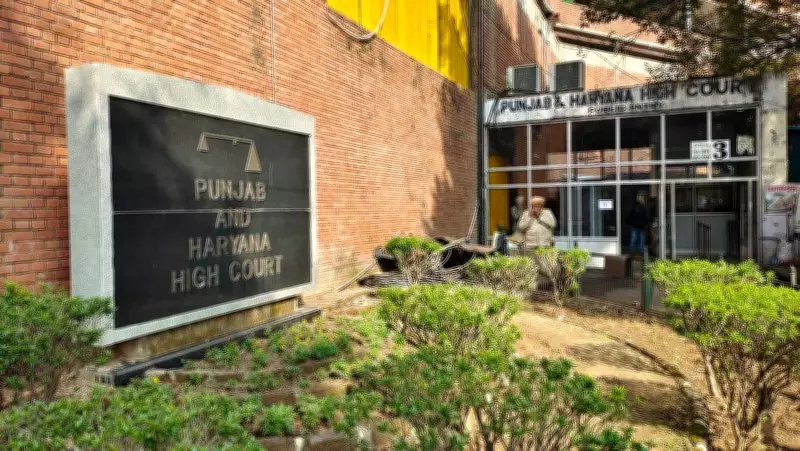
Chandigarh High Court Deliberates on Contentious Flyover Project
The Chandigarh High Court recently conducted a hearing on a significant case concerning a proposed flyover in the city, where arguments centered on balancing urgent traffic demands with strict urban planning regulations.
UT Administration's Stance: Addressing Traffic Congestion
The Union Territory (UT) administration of Chandigarh presented its case, emphasizing the critical need for the flyover to alleviate severe traffic congestion. Officials argued that the city's growing population and increasing vehicular movement have led to persistent bottlenecks, particularly at key intersections, impacting daily commutes and overall mobility. They highlighted that the flyover is a necessary infrastructure upgrade to enhance traffic flow, reduce travel times, and improve road safety for residents and visitors alike.
Petitioner's Opposition: Violation of Master Plan
In contrast, the petitioner opposing the project raised a fundamental objection, pointing to a ban on flyovers as stipulated in Chandigarh's master plan. The petitioner argued that the city's original urban design, crafted by renowned architect Le Corbusier, explicitly prohibits such elevated structures to preserve its aesthetic integrity and planned layout. They contended that constructing a flyover would not only violate this long-standing ban but also set a dangerous precedent, potentially leading to further deviations from the master plan and undermining the city's unique architectural heritage.

Legal and Urban Planning Implications
The hearing delved into broader legal and urban planning issues, with the court examining whether the UT administration's traffic justification outweighs the master plan's restrictions. Discussions included the potential environmental impact, such as increased noise and air pollution from the flyover, as well as social considerations like displacement of local communities. The case has sparked public debate, with some residents supporting the flyover for practical benefits, while others advocate for adherence to the master plan to maintain Chandigarh's character.
Next Steps and Broader Context
The High Court has reserved its judgment, pending further submissions and evidence from both sides. This case is part of a larger trend in Indian cities grappling with infrastructure development versus conservation, highlighting the challenges of modernizing urban areas while respecting historical planning principles. The outcome could influence similar disputes nationwide, setting a precedent for how courts balance developmental needs with regulatory frameworks.






