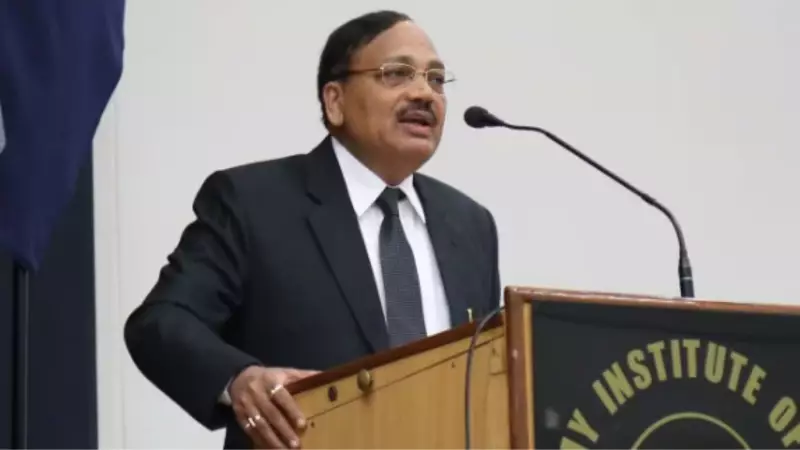
In a landmark step towards prison reform, Chief Justice of India Justice Surya Kant will inaugurate a transformative programme at the Central Jail in Patiala this Saturday. The initiative, titled "Empowering Lives Behind Bars: Real Change – The New Paradigm of Correctional Justice," aims to reshape Punjab's correctional facilities into hubs of learning and skill development.
A New Vision for Punjab's Prisons
The programme is a collaborative effort between the Punjab and Haryana High Court, the Punjab Department of Prisons, and the Department of Technical Education & Industrial Training. Its core objective is to provide nationally certified vocational training to 2,500 inmates across all 24 jails in the state. This ambitious project is supported by the Punjab Skill Development Mission and marks a significant shift from mere incarceration to active rehabilitation.
The inauguration ceremony on December 6, 2025, will witness the presence of Supreme Court judges, high court judges, and senior state officials. On the same day, CJI Surya Kant will also launch a statewide anti-drug awareness campaign called "Youth Against Drugs" from December 6, 2025, to January 6, 2026, led by the Punjab State Legal Services Authority.
Skill Development Inside Jail Walls
The reform programme involves establishing 11 Industrial Training Institutes (ITIs) inside the jails. These institutes will offer long-term courses certified by the National Council for Vocational Education and Training (NCVT) in high-demand trades. The available courses include:
- Welding
- Electrician work
- Plumbing
- Sewing Technology
- Cosmetology
- Computer Operator and Programming Assistant (COPA)
- Bakery
In addition to these long-term programmes, short-term courses aligned with the National Skills Qualification Framework (NSQF) will also be available. These will cover skills such as tailoring, jute and bag making, mushroom cultivation, and computer hardware maintenance.
Comprehensive Support for Inmates
To ensure the success of this initiative, the programme promises training under national standards with certified faculty and modern workshops. In a significant move to encourage participation, each inmate undergoing training will receive a monthly stipend of Rs 1,000. Upon successful completion, they will be awarded NCVET or NSQF certification, which will enhance their employability upon release.
This correctional reform programme represents a profound reimagining of the justice system's role. By focusing on skill development and certification, it seeks to reduce recidivism and equip inmates with the tools for a lawful and productive life after their sentence, ultimately aiming to transform prisons into true centres of rehabilitation.