Punjab Congress Leader Appeals to Chief Justice of India Over Alleged Extrajudicial Killing
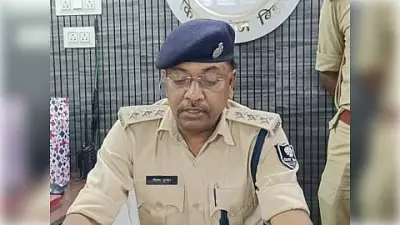
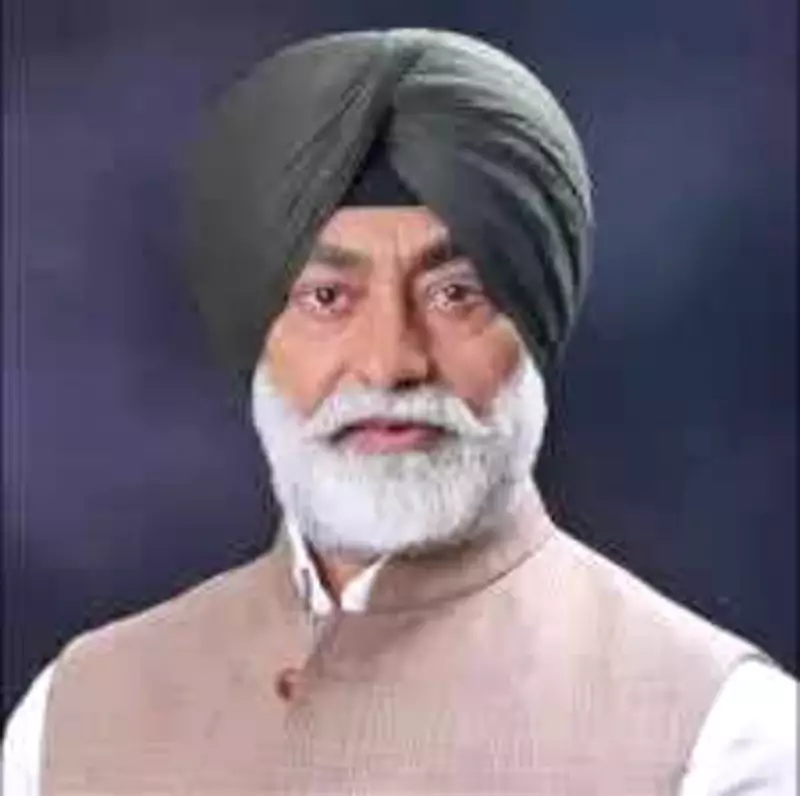
In a significant development, Punjab Congress leader Sukhpal Singh Khaira has formally urged the Chief Justice of India to take suo motu cognisance of what he describes as the alleged extrajudicial killing of 19-year-old Ranjit Singh by the Punjab Police in Gurdaspur district. This move highlights growing concerns over police conduct and human rights violations in the state.
Details of the Alleged Incident and Legal Plea
In his detailed letter, Khaira claimed that the incident involving Ranjit Singh reflects a broader and troubling pattern of alleged fake encounters in Punjab. He specifically requested the Supreme Court to invoke its jurisdiction under Articles 32 and 142 of the Constitution, praying that his letter be treated either as a writ petition or as grounds for suo motu action. Khaira argued that the matter concerns the fundamental right to life and personal liberty guaranteed under Article 21 of the Constitution, which, he emphasized, cannot be taken away except through due process of law.
Khaira referred to the case of Ranjit Singh, a first-year Bachelor of Arts student from Gurdaspur district, who was killed on February 25 in what the police described as an encounter. According to Khaira, Ranjit Singh was allegedly picked up from his residence without a formal arrest memo, without being produced before a magistrate, and without informing his family. He asserted that this action violated the guidelines laid down by the Supreme Court in D K Basu v. State of West Bengal regarding arrest and detention procedures. Additionally, Khaira alleged that CCTV cameras in the locality were removed or disabled before the youth was taken away, raising suspicions about the transparency of the operation.

Family Claims and Police Account Discrepancies
The letter further stated that the family of Ranjit Singh claimed he had no prior criminal record or history of violence. Khaira questioned the police account of the events leading to the encounter, in which the youth was allegedly described as an operative linked to Pakistan's ISI. He pointed out that no FIR was registered against the police personnel involved, and no independent magisterial inquiry has been ordered so far. Khaira also claimed there was no compliance with the guidelines laid down by the Supreme Court in PUCL v. State of Maharashtra regarding the investigation of encounter deaths.
Broader Pattern of Alleged Encounters in Punjab
Khaira emphasized that this case should not be viewed in isolation, referring to what he described as a pattern of similar encounters in the state. He cited another incident from January 2026, involving a person identified as Karan Pathak, which he claimed followed a similar sequence of events while the individual was in police custody. This reference aims to underscore systemic issues within law enforcement agencies in Punjab.
In his representation, Khaira also noted observations made earlier this year by the Punjab and Haryana High Court about rising concerns related to criminal activity in the state, suggesting a need for judicial oversight to prevent abuses of power.
Specific Demands for Investigation and Accountability
In his plea to the apex court, Khaira sought several key directions:
- A comprehensive investigation by the Central Bureau of Investigation into the death of Ranjit Singh, including an examination of the broader pattern of encounter killings.
- Registration of FIRs against the police personnel involved in the incident.
- Forensic examination of post-mortem and ballistic evidence to ensure accuracy and transparency.
- Investigation into the alleged removal or disabling of CCTV cameras to determine if evidence was tampered with.
Furthermore, Khaira urged the court to direct the National Human Rights Commission to conduct an independent inquiry into the alleged pattern of encounter killings in Punjab. He stressed the importance of ensuring compliance with Supreme Court guidelines governing police encounters to uphold justice and protect citizens' rights.

This appeal by a prominent political figure brings to light critical issues of police accountability and human rights, calling for immediate judicial intervention to address alleged misconduct and restore public trust in law enforcement institutions.