

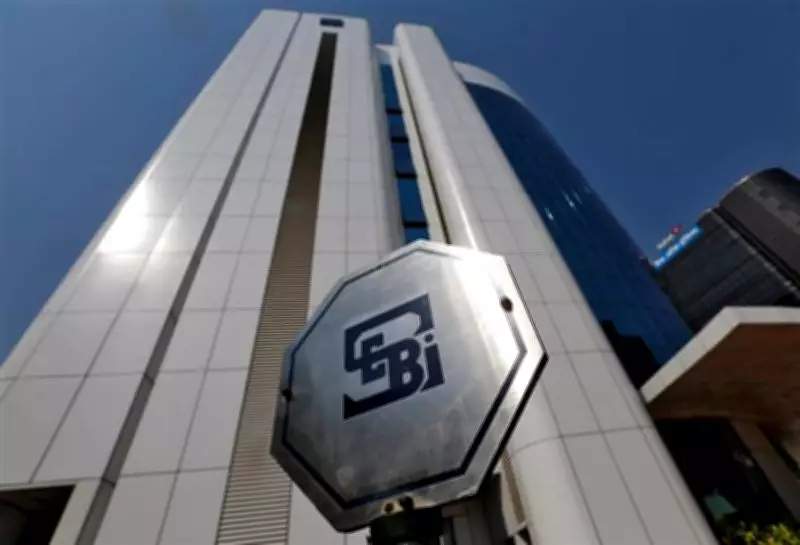
Consumer Courts Can Order Refunds in Investment Cases: SEBI Act No Bar, Rules Chandigarh Commission
In a landmark ruling that clarifies the jurisdictional boundaries between financial regulation and consumer protection, the Chandigarh State Consumer Disputes Redressal Commission has definitively held that the Securities and Exchange Board of India (SEBI) Act does not prevent Consumer Courts from granting refunds in cases involving mismanagement of investment funds. This significant decision establishes that consumer forums retain authority to address individual financial grievances even when securities regulators are involved.
Substantial Refund and Compensation Ordered
The Commission delivered a decisive verdict by directing Kotak Mahindra Bank and Peninsula Brookfield India Real Estate Fund to refund Rs 19,78,743.53 to the complainant as the remaining principal amount. Additionally, the financial entities were ordered to pay a substantial lump-sum compensation of Rs 1,00,000 specifically for the harassment and mental agony caused to the investor, along with Rs 35,000 to cover litigation costs incurred during the prolonged legal battle.
Case Background: Elderly Investor's Grievance
The order stemmed from a complaint filed by 93-year-old Harmohan Singh Sethi of Mohali, who was represented by Advocate Pankaj Chandgothia. The elderly complainant alleged that he was systematically induced by Kotak Wealth Management in Chandigarh to invest a substantial sum of Rs 1 crore in the Peninsula Brookfield India Real Estate Fund. According to the complaint, the wealth managers provided assurances of professional wealth management, regulatory compliance, and targeted gross returns of 21 percent per annum, creating expectations that ultimately went unfulfilled.

Sethi specifically pointed out that the Contribution Agreement dated July 19, 2013, was a pre-printed and incomplete contract signed in Chandigarh without full disclosure of terms and conditions. He further claimed that despite the expiration of the maximum tenure specified in the agreement, the fund was illegally extended and ultimately closed in 2022. Most critically, the full principal amount was not returned to the investor, with the payout substantially reduced to approximately Rs 94 lakh, representing a significant financial loss.
Defense Arguments and Jurisdictional Challenge
Kotak Mahindra Bank and the fund managers presented a multifaceted defense, arguing that the investments were inherently subject to market risks, particularly in the volatile real estate sector. They contended that any delays in returns occurred due to ongoing litigation affecting the fund's operations, and that such circumstances did not constitute deficiency of service, especially when management decisions were taken in good faith.
Most significantly, the financial entities raised a jurisdictional objection, asserting that the Commission's authority was barred under Section 15Y of the SEBI Act, 1992. They argued that matters concerning securities and investments fell exclusively within the regulatory purview of SEBI and its adjudicatory mechanisms, thereby ousting the jurisdiction of consumer forums in such financial disputes.
Commission's Jurisdictional Clarification
After thoroughly hearing all arguments, the Commission delivered a comprehensive ruling that addressed both substantive and jurisdictional aspects. Regarding the jurisdictional objection, the Commission provided crucial clarification that Section 15Y of the SEBI Act bars civil courts only in matters that an Adjudicating Officer or the Securities Appellate Tribunal is specifically empowered to determine. The Commission emphasized that this provision does not expressly or impliedly oust the jurisdiction of Consumer Commissions constituted under special beneficial legislation designed to protect consumer rights.

The Commission noted with precision that the complaint specifically sought refund of the invested amount, interest, and compensation for deficiency in service and unfair trade practice, rather than regulatory or penal action under securities law. Such relief falls squarely within the scope of the Consumer Protection Act, 2019, which expressly provides that its provisions are in addition to, and not in derogation of, any other law in force, thereby creating concurrent and supplemental remedies for aggrieved consumers.
Distinct Jurisdictional Spheres
The Commission elaborated on the distinct spheres of regulatory and consumer jurisdiction, explaining that the regulatory authority of SEBI to enforce market discipline and impose penalties operates independently from the compensatory and remedial jurisdiction of the Consumer Commission to address individual grievances. In the absence of any statutory exclusion specifically barring consumer forums from hearing such matters, the remedy under the Consumer Protection Act remains fully available to investors facing service deficiencies.
Consequently, the Commission rejected the objection regarding lack of jurisdiction and held the opposite parties guilty of deficiency of service. This ruling establishes an important precedent that strengthens consumer protection in financial services while clarifying the complementary relationship between securities regulation and consumer rights enforcement.





