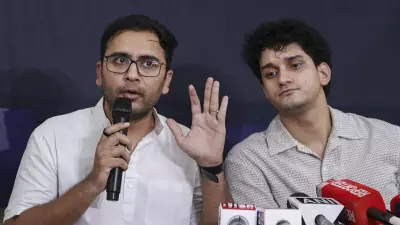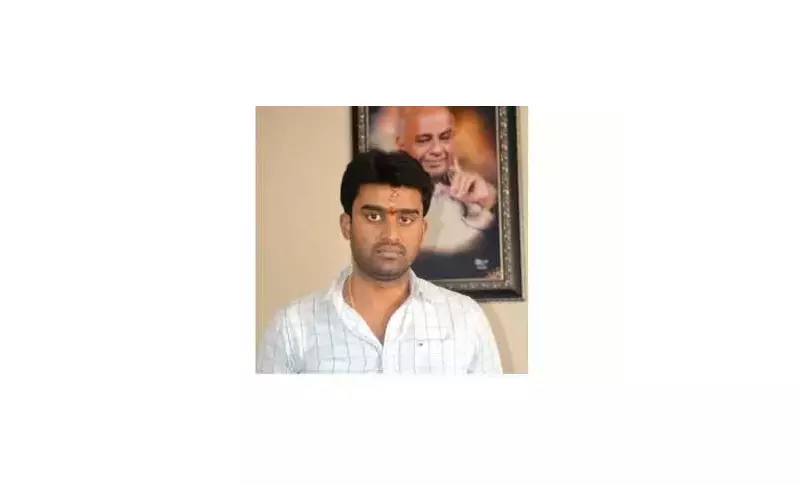
A special court in Bengaluru dealing with cases against elected representatives has delivered a significant ruling. On Tuesday, the court outright rejected a report from the Special Investigation Team (SIT) that sought to close a serious case. This case involves allegations of rape against Janata Dal (Secular) MLC Suraj Revanna.
Court Orders Continued Probe
The report submitted by the SIT is known as a 'B report'. This type of report is filed by police when they believe there is insufficient evidence to support the allegations made in a complaint, effectively recommending the case be closed. However, Special Judge K N Shivakumar found that the proof presented was not adequate to exonerate Suraj Revanna of the charges. The judge stated there was not enough evidence to clear him.
This development stems from a protest petition recently filed by the victim in this case. The petitioner challenged the SIT's conclusion and urged the court not to accept the closure report. Agreeing with this petition, Judge Shivakumar directed the SIT to continue its investigation into the matter. The investigative team has been ordered to submit a fresh report by December 29.

Background of the Cases
This is the second rape case filed against Suraj Revanna, who comes from a prominent political family. He is the grandson of former Prime Minister H.D. Deve Gowda and the nephew of Union Minister H.D. Kumaraswamy.
The first case, where he is accused of raping a party worker, has seen more progress. In that instance, the SIT has already filed a chargesheet, indicating they found enough evidence to proceed to trial.
The second case, which is the subject of the recent court order, has a distinct origin. The complaint was filed by a co-accused from the first case. This individual alleged that he too was subjected to unnatural sex by the MLC.
Reason for SIT's Closure Attempt
According to sources familiar with the investigation, the SIT's rationale for filing the closure report was a lack of concrete evidence. The team reportedly did not come across scientific or electronic evidence that could firmly establish the charges against Revanna in this particular complaint. This absence of what is often considered 'hard evidence' led them to recommend closing the case.
The court's rejection of this report underscores the judiciary's role in scrutinizing police findings. It ensures that investigations are thorough and that closure is not granted prematurely, especially in serious allegations involving influential figures. The order for a continued probe keeps the legal process active and places the onus back on the SIT to dig deeper.