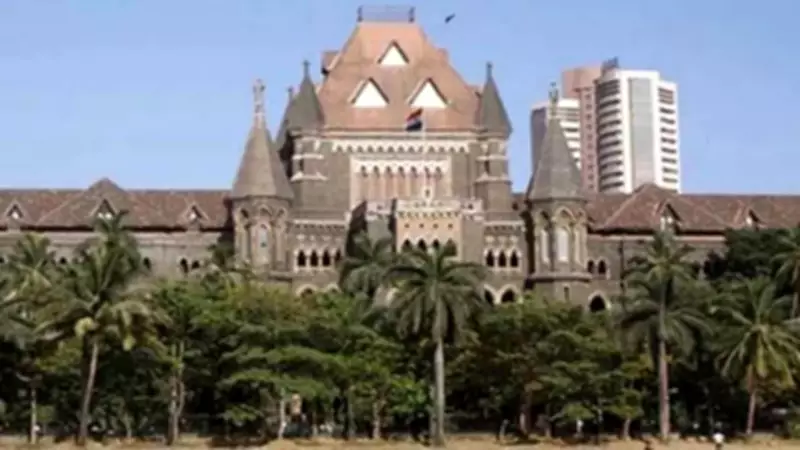
The Bombay High Court has taken a significant step by seeking a detailed report from the trial court regarding the prolonged delay in a sexual assault case, where the accused has been incarcerated as an undertrial for more than 11 years without the trial reaching its conclusion. This move highlights growing concerns over judicial delays and the infringement of fundamental rights within the Indian legal system.
Court's Directive on Bail Application
During a hearing on January 16, Justice Shivkumar Dige issued an order calling for a report from the concerned judge to explain why the trial has not been concluded despite the applicant being behind bars for over 11 years and 6 months. The court was addressing the bail application of the accused, emphasizing the urgency of the matter. On January 27, the court further directed the complainant to file a reply, underscoring the need for accountability in this protracted legal battle.
Legal Arguments and Witness Testimonies
The accused's lawyer, Siddharth Jagushte, presented compelling arguments, noting that the prosecution has listed 28 witnesses in the chargesheet, yet only two witnesses, including one who was partly heard, have deposed so far. This slow progress has raised serious questions about the efficiency of the trial process and its impact on the accused's rights.

In the petition, it was argued that the fundamental rights of the applicant under Article 21 of the Constitution of India are being violated due to the extended pre-trial detention, which now spans 11 years and 4 months. The petition stressed that with 28 witnesses still to be examined, the trial is likely to take a considerable amount of time, further prolonging the injustice.
Background of the Case
The case originates from an FIR filed in Pune in 2014 under sections of the Protection of Children from Sexual Offences Act, accusing the individual of sexually assaulting a minor. Previously, the sessions court in Pune rejected the bail application, but no appeal had been filed in the high court until now, adding to the delays.
Details of the Allegations
In February 2014, the minor victim was taken to a public hospital in Pune, where authorities approached the police after it was disclosed that she was pregnant. A baby was born to the victim in March 2014 but passed away the next day. Based on the victim's statement, a complaint was filed against a person she claimed was the child's father. However, the petition noted that at that time, the DNA of the child was not taken to confirm paternity, which could have impacted the investigation.
After being discharged, the victim was sent to a women's shelter, and the accused was arrested four months later when she named him in a subsequent statement. Since then, he has been held in Yerwada jail, facing charges including rape under the Indian Penal Code and relevant sections of the Protection of Children from Sexual Offences Act.
Implications for Judicial System
This case sheds light on broader issues within the Indian judiciary, such as the backlog of cases and the prolonged detention of undertrials, which often leads to violations of human rights. The high court's intervention in seeking a report is a crucial step towards addressing these systemic problems and ensuring timely justice.
As the legal proceedings continue, the focus remains on whether the trial court can expedite the process and uphold the constitutional rights of the accused, while also considering the gravity of the charges involved. The outcome of this report could set a precedent for handling similar cases in the future, emphasizing the need for reforms to prevent such delays.