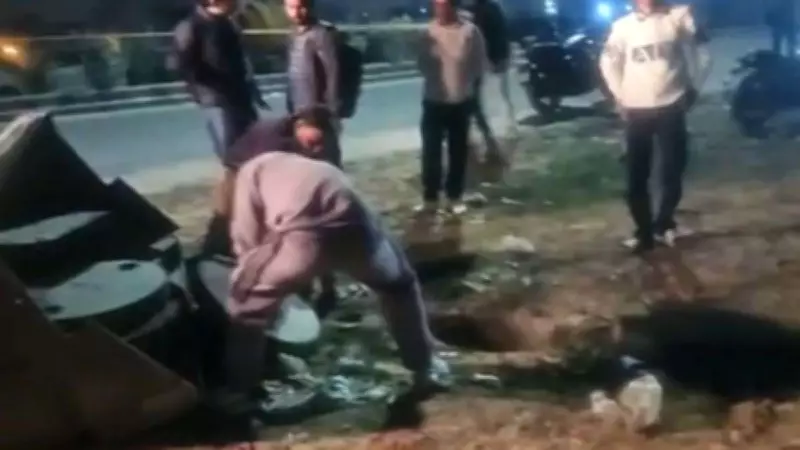
Delhi Witnesses Second Fatal Sewer Fall in Days, Sparking Public Outcry
In a tragic recurrence of negligence, another man has lost his life after falling into an open sewer manhole in Delhi, mere days after a similar incident claimed the life of a biker. This latest fatality underscores the persistent and deadly infrastructure failures plaguing the capital city, raising urgent questions about public safety and municipal accountability.
Details of the Latest Incident
The victim, whose identity has not been officially released, succumbed after accidentally falling into an uncovered sewer manhole in a residential area of Delhi. Eyewitnesses reported that the manhole was left open without any warning signs or barriers, creating a hazardous trap for pedestrians and motorists alike. Emergency services were called to the scene, but despite their efforts, the man could not be saved. Authorities have launched an investigation into the incident, with preliminary findings pointing to gross negligence in maintenance protocols.
Context: A Pattern of Neglect
This death comes just days after a biker in Delhi died under similar circumstances, having fallen into an open sewer while navigating a poorly lit street. That earlier incident had already ignited public anger and calls for stricter enforcement of safety standards. The back-to-back tragedies highlight a systemic issue where open manholes, often left uncovered for repairs or due to oversight, pose a constant threat to residents. Experts note that such incidents are not isolated but part of a broader pattern of infrastructure decay in urban areas, exacerbated by inadequate monitoring and delayed response times from civic bodies.

- Lack of Proper Signage: Many open manholes are left without visible warnings, increasing the risk of accidents.
- Inadequate Maintenance: Delays in covering manholes after repairs or inspections leave them exposed for extended periods.
- Poor Lighting: Insufficient street lighting in many areas makes it difficult to spot hazards, especially at night.
- Accountability Gaps: Multiple agencies often share responsibility for sewer maintenance, leading to confusion and inaction.
Public and Official Reactions
Local residents have expressed outrage and fear, describing the streets as "death traps" due to the prevalence of open manholes. Community leaders are demanding immediate action, including regular inspections and fines for negligence. In response, municipal officials have promised to conduct a city-wide audit of all sewer covers and implement stricter safety measures. However, critics argue that such promises have been made before without lasting change, pointing to a need for more robust legislation and enforcement to prevent future tragedies.
The recurring nature of these incidents serves as a grim reminder of the human cost of infrastructural neglect. As Delhi grapples with rapid urbanization, ensuring basic safety standards becomes not just a matter of policy but a moral imperative to protect its citizens from preventable harm.