Delhi Biker Dies After Falling Into 15-Foot Deep Jal Board Pit, Family Alleges Negligence
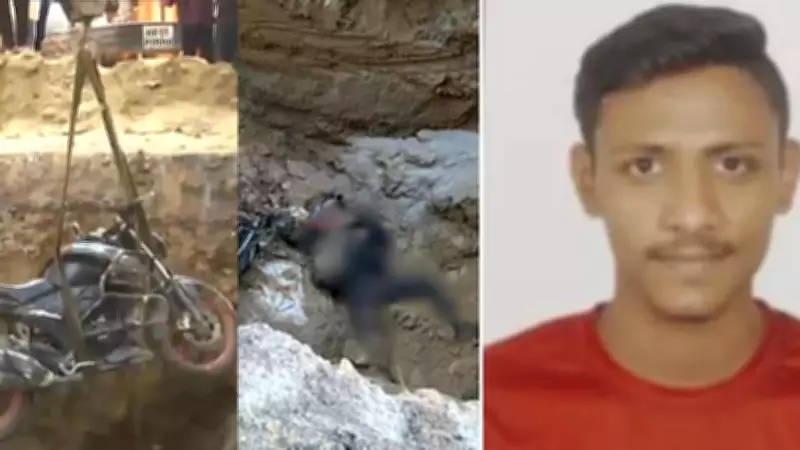
In a tragic incident that has reignited concerns over construction site safety in the National Capital Region, a 25-year-old biker died after his motorcycle fell into a deep pit dug for a Delhi Jal Board pipeline project. The accident occurred in Janakpuri, West Delhi, claiming the life of Kamal Dhyani and prompting immediate police investigation and official action.
Details of the Fatal Accident and Official Response
According to initial reports, the victim was riding his motorcycle when he plunged into a 15-foot deep excavation pit that was part of an ongoing Delhi Jal Board infrastructure project. The pit, intended for pipeline installation, lacked adequate safety measures according to eyewitness accounts and family statements. Police have registered a case and are investigating the circumstances surrounding the incident, while the bereaved family has raised serious questions about delayed emergency response and possible foul play.
The Delhi Jal Board issued a statement claiming the construction site was properly barricaded as per safety protocols. However, in response to the tragedy, the water utility has established a special committee to conduct a thorough probe into the incident. Meanwhile, Delhi PWD Minister Parvesh Verma confirmed that a separate inquiry has been initiated and three DJB officers have been suspended pending investigation results.
Pattern of Negligence: Echoes of Recent Noida Tragedy
This devastating accident comes just weeks after a similar fatal pit incident in neighboring Noida, where a young techie lost his life under comparable circumstances. The back-to-back tragedies have highlighted what safety advocates describe as a disturbing pattern of civic negligence and inadequate oversight of public works projects across the Delhi-NCR region.
Construction safety experts point to multiple systemic failures, including insufficient barricading of excavation sites, poor lighting in work zones during nighttime hours, and inadequate warning signage for pedestrians and motorists. "These are not isolated incidents but symptoms of a larger problem with how public infrastructure projects are monitored and executed," noted one urban safety analyst who requested anonymity.
Broader Implications for Public Works Safety
The twin tragedies have sparked urgent calls for stricter monitoring mechanisms and enhanced accountability for contractors and government agencies involved in public works. Citizens' groups are demanding:
- Mandatory 24-hour security and lighting at all excavation sites
- Regular safety audits by independent third parties
- Immediate suspension of work at sites found violating safety norms
- Criminal liability for officials and contractors responsible for safety lapses
Urban development authorities face mounting pressure to implement comprehensive safety reforms that could prevent similar accidents in the future. The incidents have particularly raised questions about the effectiveness of existing safety protocols and whether they are being properly enforced on the ground.
As investigations continue into both the Delhi and Noida incidents, the families of the victims await justice while safety advocates hope these tragedies will finally trigger meaningful changes in how public infrastructure projects are managed across India's rapidly expanding urban landscapes.