

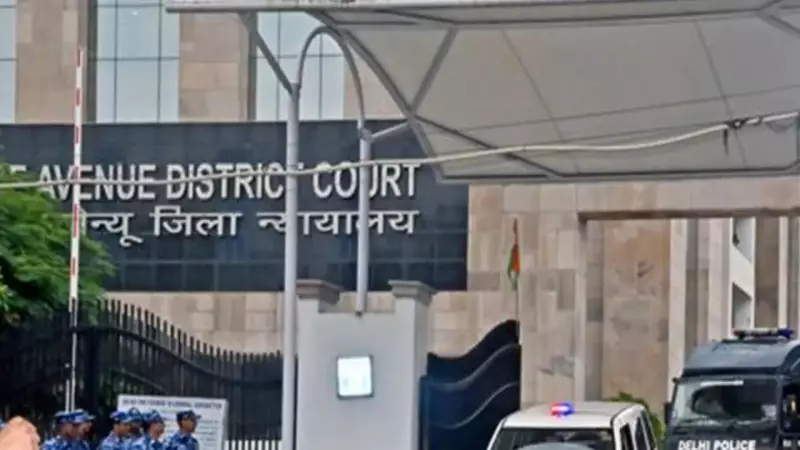
A court in New Delhi has found three individuals guilty, including a Municipal Corporation of Delhi (MCD) Junior Engineer, in a corruption case involving a bribe for construction approval. The Rouse Avenue court delivered the verdict, citing conclusive evidence against the accused.
The Bribery Demand and Sting Operation
The case originated from a complaint filed by Arun Kumar Gupta. It was alleged that on March 18, 2024, the accused persons demanded a bribe of Rs. 30,000. The money was solicited to permit the construction of the complainant's house. The demand was made allegedly at the behest of MCD Junior Engineer Ramesh Chand Jain.
Following the complaint, the Central Bureau of Investigation (CBI) registered a case and laid a trap. During the operation, one of the accused, Surender Kumar, was arrested red-handed while accepting a part payment of Rs. 15,000 as bribe. The cash was recovered from his possession.

Court's Verdict and Evidence
Special Judge (CBI) Shailender Malik pronounced the conviction on December 24. The court stated there was sufficient evidence to hold all three accused guilty. In the judgment, the judge noted that the evidence clearly established that Surender Kumar and another accused, Surender Kumar Jangra, had demanded the illegal gratification.
"Therefore, all three accused persons are held guilty for the offence under Section 7 of the P.C. Act, 1988 (as amended in 2018), read with Section 120B of IPC," Special Judge Malik stated. The court concluded that the two men acted in connivance and conspiracy with Junior Engineer Ramesh Chand Jain, who was the public servant involved.
Next Steps and Sentencing
The court has scheduled the next hearing for January 5. On this date, arguments concerning the quantum of sentence will be heard. The conviction sends a strong message against corruption in civic bodies, especially concerning building permissions and construction approvals in the capital.
The case highlights the ongoing efforts by agencies like the CBI to tackle graft at the grassroots level of urban governance. The guilty verdict underscores the judiciary's stance on taking strict action when evidence of corruption is presented conclusively.






