

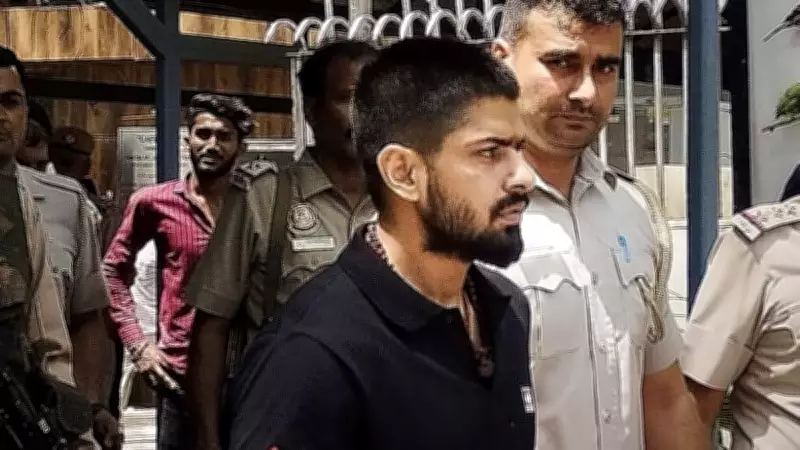
Delhi Court Directs Framing of Charges Against Lawrence Bishnoi and 19 Associates in 2021 Organized Crime Case
In a significant legal development, a Delhi court has issued an order for the framing of charges against notorious gangster Lawrence Bishnoi and 19 other individuals. This directive pertains to a high-profile case that was originally registered by the Special Cell of the Delhi Police back in March 2021. The case centers on allegations of involvement in an organized crime syndicate, marking a critical step forward in the judicial process.
Background of the 2021 FIR and Syndicate Allegations
The Special Cell of the Delhi Police had filed a First Information Report (FIR) in March 2021 against what they described as an alleged organized crime syndicate. This syndicate was reportedly led by Sandeep, who is also known by the alias Kala Jathedi. According to police reports, Lawrence Bishnoi was identified as one of the key associates within this criminal network, alongside 19 other individuals. The charges stem from activities linked to organized crime, which have been under investigation for several years.
The court's recent order to frame charges indicates that the prosecution has presented sufficient prima facie evidence to proceed with a trial. This move is crucial as it sets the stage for a formal legal proceeding where the accused will have to defend themselves against the allegations. The framing of charges is a procedural step in Indian criminal law that outlines the specific offenses the accused are being tried for, based on the evidence collected during the investigation.

Implications for Lawrence Bishnoi and the Co-Accused
Lawrence Bishnoi, a name often associated with various criminal cases across India, now faces this additional legal battle. The inclusion of 19 other associates underscores the scale of the alleged syndicate. The court's decision highlights the ongoing efforts by law enforcement agencies to crack down on organized crime networks operating in the region. It also reflects the judiciary's role in ensuring that such cases are processed diligently through the legal system.
This development comes amid heightened scrutiny on gang-related activities and their impact on public safety. The Delhi Police's Special Cell has been actively involved in investigating such syndicates, and this case is part of a broader strategy to dismantle criminal operations. The framing of charges is expected to lead to a trial where further evidence will be examined, potentially resulting in convictions if the allegations are proven beyond a reasonable doubt.
Next Steps in the Legal Process
With the court ordering the framing of charges, the next phase will involve formal hearings where the charges will be read out to the accused, and they will be given an opportunity to plead. This step is essential for moving the case forward in the judicial pipeline. Legal experts note that such orders often signal that the case has substantial merit, warranting a full trial.
The outcome of this case could have far-reaching consequences for how organized crime is prosecuted in Delhi and beyond. It serves as a reminder of the legal mechanisms in place to address complex criminal networks. As the proceedings unfold, stakeholders, including law enforcement and the public, will be closely monitoring the developments to see how justice is served in this high-stakes matter.






