Delhi Court Orders Police Custody for Three Youth Congress Workers
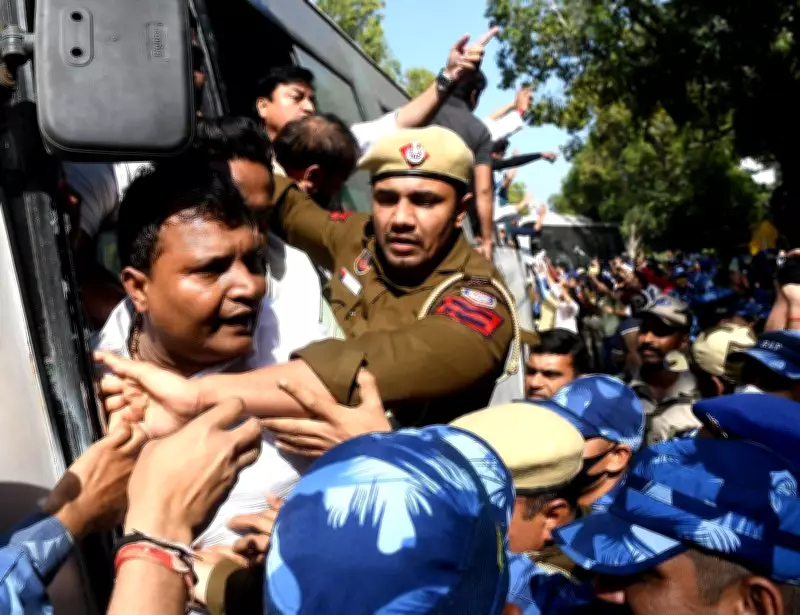
A Delhi court has made a significant ruling, sending three Youth Congress workers to police custody after their recent arrest. The decision follows allegations that the workers were involved in activities that disrupted public order during a protest event.
Details of the Court Proceedings
The court proceedings revealed that the three individuals, identified as members of the Youth Congress, were taken into custody by law enforcement authorities. The arrest was made in connection with a protest that reportedly led to disturbances in the city. During the hearing, the prosecution argued for police custody to facilitate further investigation into the matter.
According to sources, the workers are accused of participating in demonstrations that allegedly violated established norms and caused unrest. The court, after considering the arguments presented, granted the police custody request, emphasizing the need for a thorough probe to ascertain the full extent of their involvement.
Background and Implications
This incident highlights the ongoing tensions between political activists and law enforcement in Delhi. The Youth Congress, as a prominent political youth wing, has been actively engaged in various protests and campaigns. However, this case underscores the legal boundaries that govern such activities and the consequences of alleged transgressions.
The remand to police custody allows authorities to interrogate the workers and gather additional evidence related to the protest. It is a standard procedure in such cases to ensure that investigations are not hampered. The workers will remain in custody for the duration specified by the court, during which they will be questioned about their roles and actions during the event.
Reactions and Future Steps
While official statements from the Youth Congress are awaited, this development is likely to spark discussions within political circles. Supporters of the workers may view the custody as an overreach, whereas law enforcement agencies might defend it as necessary for maintaining public safety.
The case is expected to proceed with further hearings, where the court will review the findings of the investigation. Depending on the evidence collected, charges could be filed, leading to a trial. For now, the focus remains on the police custody period and the ongoing efforts to clarify the circumstances surrounding the protest.
This ruling serves as a reminder of the legal frameworks that govern political activism in India, balancing the right to protest with the need for public order. As the situation unfolds, it will be closely monitored by stakeholders across the political spectrum.