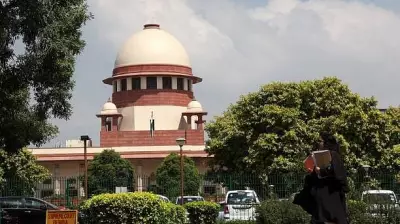
The Delhi High Court has issued a directive for all trial courts in the national capital to operate at half their usual capacity for the remainder of December. This decision, taken in light of the prevailing weather conditions, mandates a significant shift to work-from-home arrangements for judicial staff.
Alternate-Day Roster for Court Staff
The order, dated December 16, 2025, instructs the respective registrars and Officers on Special Duty (OSDs) to prepare a detailed roster for the month. This roster must ensure that at least 50% of the staff, including gazetted, non-gazetted, and contractual employees, attend court in person on any given day. The system is to function on an alternate-day basis.
Judges and court staff are required to be physically present on their designated days. On the days they are not scheduled for in-person attendance, they must work from home and remain accessible via telephone and electronic communication at all times to ensure the courts' smooth functioning is not disrupted.

Preference for Vulnerable Groups
The High Court's order shows consideration for specific groups of employees. It explicitly states that while allocating work-from-home duties, preference should be given to women staff members and those with underlying medical conditions. This move is seen as a sensitive approach to employee welfare during challenging environmental conditions.
The directive originated from an order for the High Court's own establishment, which was then extended to the trial courts. Following similar instructions sent to principal district and sessions judges, a subsequent order was issued. This follow-up order specifically named judicial officers and outlined the exact dates they are required to be physically present in court to hold hearings.
Ensuring Judicial Continuity
The primary objective behind the 50% capacity rule is to balance employee safety and comfort with the uninterrupted operation of the judiciary. By implementing a structured roster, the Delhi High Court aims to minimize physical crowding in court complexes while ensuring that essential legal proceedings and administrative work continue without significant delay.
This is not the first time such measures have been adopted; courts have previously utilized hybrid functioning models during periods of extreme weather or other exigencies. The current order for December 2025 underscores the institution's adaptability in maintaining judicial services under varying circumstances.