Delhi High Court Issues Landmark Ruling on AI Deepfakes and Celebrity Rights
The Delhi High Court has delivered a significant judgment, observing that the unauthorized use of yoga guru Swami Ramdev's name, likeness, voice, and persona through AI-generated deepfakes, manipulated videos, fake endorsements, and misleading online content prima facie violates his personality and publicity rights. The court emphasized that such content has the potential to seriously mislead the public and exploit his hard-earned reputation.
Court Recognizes Ramdev's Globally Protectable Identity
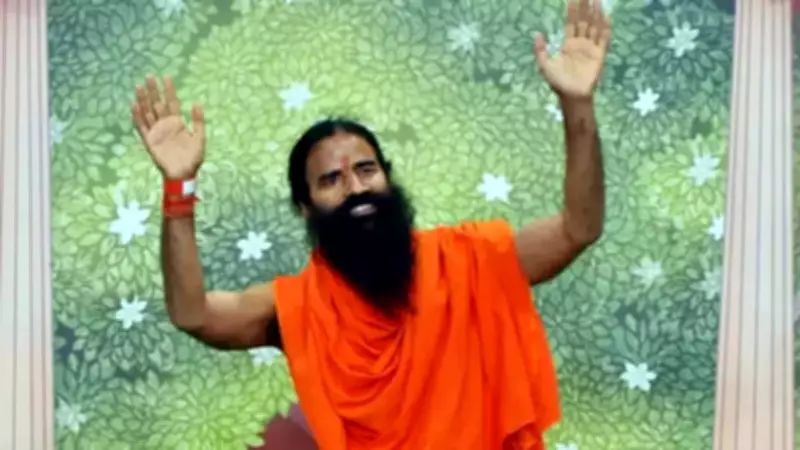
Justice Jyoti Singh, while hearing a commercial suit filed by Ramdev against unidentified entities and digital platforms, noted that the plaintiff is a globally recognized figure in yoga and Ayurveda. The court documented that his identity attributes—including his distinctive appearance, recognizable voice, saffron attire, and unique style of speech—are uniquely associated with him and legally protectable.
According to the court's observations, through decades of dedicated public engagement and institutional work, Swami Ramdev has earned substantial goodwill, reputation, and public trust. This established standing forms the foundation of his legal claim against unauthorized exploitation.
Widespread Misuse Across Digital Platforms
The court took serious note of allegations that Ramdev's persona has been extensively misused across multiple digital platforms, including:
- Social media networks
- Video-sharing websites
- E-commerce listings and product pages
According to the plaint, various forms of deceptive content have proliferated, including:
- AI-generated deepfake videos
- Digitally manipulated images and photographs
- Impersonating social media accounts
- Fabricated product endorsements
These materials falsely depict Swami Ramdev promoting medicines, consumer goods, and other products without any authorization whatsoever. The court observed that such content appears specifically designed to exploit his reputation for commercial gain and increased online engagement.
Public Health Risks and Reputational Damage
The court expressed particular concern about content that falsely portrays the plaintiff as endorsing medical advice or health products. "Such misinformation could not only damage his reputation but also pose risks to public health if individuals rely on misleading claims," the court noted in its observations.
The material presented to the court also included evidence of:
- Altered videos with manipulated audio
- Meme content distorting his public image
- Repeated reposting designed to amplify misleading representations
Balancing Free Speech with Commercial Exploitation
During proceedings, intermediary platforms argued that certain posts might fall within protected categories of satire, parody, or commentary under free speech principles. The court acknowledged that this issue requires further examination but emphasized that unauthorized commercial exploitation of a public figure's persona is impermissible and may amount to passing off and copyright infringement.
On a prima facie assessment, the court held that Ramdev has made out a strong case for interim protection. The judgment noted that AI-manipulated visuals and fabricated endorsements can:
- Tarnish personal and professional credibility
- Erode public trust built over decades
- Dilute brand value and commercial interests
The court also recognized that digitally altered content linking him to unrelated products or messages may mislead viewers into believing such accounts are official or authorized.
Interim Injunction and Platform Directives
Pending further hearing, the court granted an ex parte ad-interim injunction restraining the defendants and associated persons from:
- Using Ramdev's name, image, voice, likeness, or distinctive attributes without consent
- Creating or circulating AI-generated content or deepfakes exploiting his persona
- Selling or advertising goods or services using his identity without authorization
The court also directed platforms and authorities to:
- Take down and block specified URLs and listings within 72 hours
- Disable additional identified content featuring unauthorized use
- Address specific URLs where parody and satire defenses have been raised in subsequent hearings
This ruling establishes important precedent regarding the protection of celebrity rights in the digital age, particularly concerning emerging technologies like AI-generated deepfakes that can manipulate public perception and exploit hard-earned reputations.