






Politics
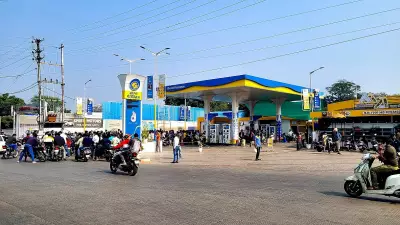
No Plan to Raise Petrol, Diesel Prices After Assembly Elections: Official
A government official confirms there is no plan to increase petrol and diesel prices after the upcoming assembly elections, providing relief to consumers.





World

Bahrain Revokes Citizenship of 69 People for Sympathy with Iran
Bahrain has revoked the citizenship of 69 individuals over alleged sympathy with Iran's hostile acts and collaboration with foreign entities, citing national security concerns.



Entertainment
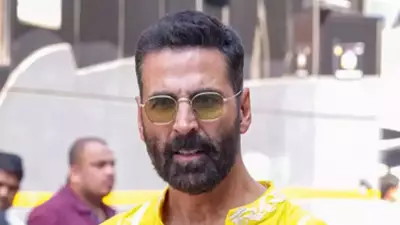
Akshay Kumar Returns with Season 2 of Wheel of Fortune Reality Show
Bollywood star Akshay Kumar announces the second season of gaming reality show 'Wheel of Fortune'. He shares his joy meeting diverse people and inspiring stories, including a heartwarming anecdote about Farah Khan.



Business
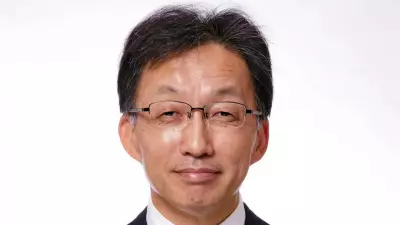
AMNS India appoints Nobuo Okochi as CFO from July 1
ArcelorMittal Nippon Steel India appoints Nobuo Okochi as CFO effective July 1. He brings 40 years of experience at Nippon Steel, succeeding Amit Harlalka who becomes CEO.




Lifestyle




Technology

2026 Yezdi Scrambler vs Triumph Scrambler 400 X Comparison
Compare the 2026 Yezdi Scrambler and Triumph Scrambler 400 X on engine, hardware, dimensions, and pricing. See which scrambler offers better value.
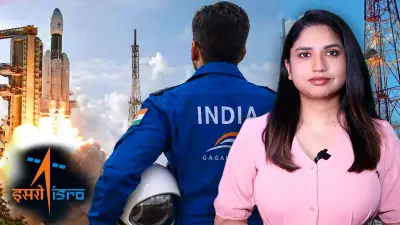
ISRO to Open Gaganyaan Missions to Civilians
ISRO plans to include civilians in future Gaganyaan missions, shifting from pilot-only crews to scientists and specialists, aligning with global space practices and India's long-term ambitions.

Vivo Y600 Pro Launched with 10,200mAh Battery and 50MP Camera
Vivo has launched the Y600 Pro featuring a massive 10,200mAh battery and a 50MP camera. The phone offers long battery life and impressive photography capabilities at an affordable price.

Extreme Fasting May Harm Heart Health, New Research Warns
New research warns that extreme fasting, like 8-hour eating windows, may increase cardiovascular death risk by up to 91%. Experts advise a balanced, medically guided approach.
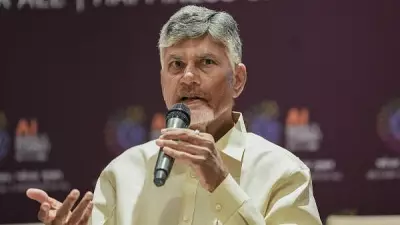
CM Naidu Urges Google to Complete AI Hub 3–6 Months Early
Andhra Pradesh CM N Chandrababu Naidu urged Google and partners to complete the AI Hub in Visakhapatnam 3–6 months ahead of schedule, aiming to integrate innovation with governance.
