Delhi High Court Raises Concerns Over Rana Ayyub's Social Media Posts
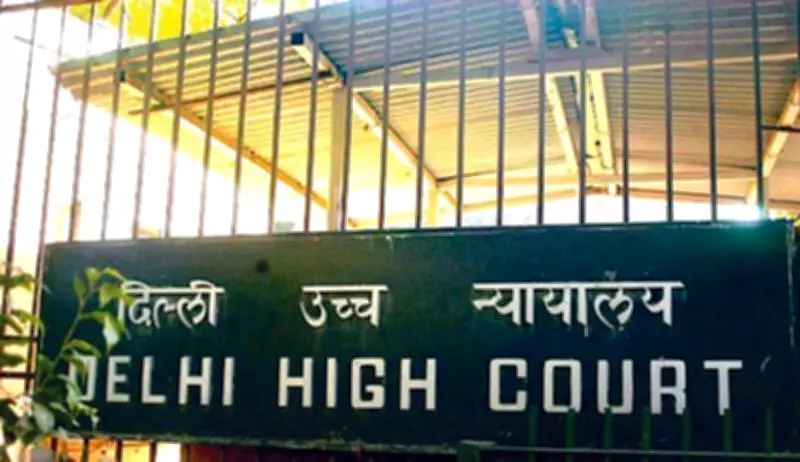
The Delhi High Court has made significant observations regarding tweets posted by journalist Rana Ayyub, describing them as derogatory and inflammatory. This development occurred during a court hearing on a petition that sought legal action against Ayyub for her social media content. The court's remarks highlight growing judicial scrutiny of online speech and its potential impact on public discourse.
Court's Remarks During Hearing
During the proceedings, the bench expressed clear disapproval of the language used in Ayyub's tweets. The court noted that such posts could be seen as inciting and provocative, potentially undermining social harmony. This judicial intervention underscores the delicate balance between freedom of expression and the need to prevent hate speech or inflammatory rhetoric in the digital age.
Background of the Petition
The case stems from a plea filed by an individual or group alleging that Ayyub's tweets contained objectionable material. The petitioner argued that her posts violated laws against hate speech and defamation, calling for appropriate legal measures. The Delhi High Court's response indicates a serious consideration of these allegations, reflecting broader concerns about online content regulation.

Implications for Online Speech
This incident raises important questions about the boundaries of free speech on social media platforms. As courts increasingly engage with cases involving digital content, there is a heightened focus on ensuring that online interactions do not escalate into real-world conflicts. The Delhi High Court's stance may influence future legal interpretations of what constitutes permissible speech in India's vibrant online ecosystem.
Reactions and Next Steps
While Ayyub has not publicly commented on the court's remarks, the case has sparked debate among legal experts and media professionals. Some view it as a necessary check on irresponsible journalism, while others caution against overreach that could stifle legitimate criticism. The court is expected to continue hearings on the matter, with potential outcomes that could set precedents for similar cases involving social media conduct.