Delhi High Court Grants Delhi University Three Weeks to File Objections in PM Modi Degree RTI Case
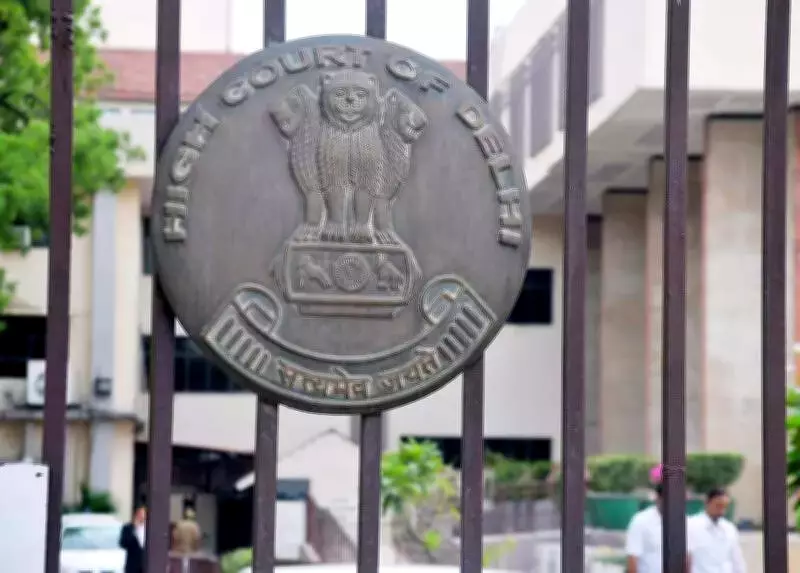
The Delhi High Court on Tuesday granted a period of three weeks to Delhi University (DU) to formally place its objections against entertaining appeals that challenge the university's refusal to disclose details of Prime Minister Narendra Modi's bachelor's degree. A bench comprising Chief Justice D K Upadhyaya and Justice Tejas Karia heard the arguments and subsequently listed the matter for further hearing on April 27.
Solicitor General Argues Case Lacks Merit and Is Sensationalized
Appearing on behalf of Delhi University, Solicitor General Tushar Mehta contended before the bench that the matter was being pursued "only to sensationalise" and emphasized that there was "no merit" in the appeals. He specifically requested time to respond to why the delay in filing the appeals against a single judge's order from August 2025 should not be condoned by the court.
Counsel for Appellants Highlights Delay and Presses for Notice
In response, Shadan Farasat, counsel for the parties filing the appeal, pointed out that objections to the delay had not been filed even after two and a half months since the court permitted DU to do so. He described the delay as "small", ranging from 15 to 45 days, and argued that the court has the authority to condone such a delay. Farasat also urged the court to issue a formal notice in the case, a move that was opposed by the Solicitor General.

Background of the Appeals and Previous Court Ruling
The appeals in question challenge a single judge's order that set aside a decision by the Central Information Commission (CIC). The CIC had initially directed the disclosure of PM Narendra Modi's degree details. The appellants include RTI activist Neeraj, Aam Aadmi Party (AAP) leader Sanjay Singh, and advocate Mohd Irshad.
The single judge, in the earlier ruling, held that merely because the Prime Minister holds a public office, it does not automatically render all of his "personal information" subject to public disclosure. This legal interpretation forms the core of the ongoing dispute, with the appellants seeking to overturn this decision and compel transparency regarding the educational qualifications of the nation's highest executive office holder.
The case underscores the ongoing tension between the right to information and the protection of personal privacy, particularly for public figures. As the proceedings advance, all eyes will be on the Delhi High Court's forthcoming hearings to see how it balances these competing interests in a matter that has attracted significant public and political attention.