

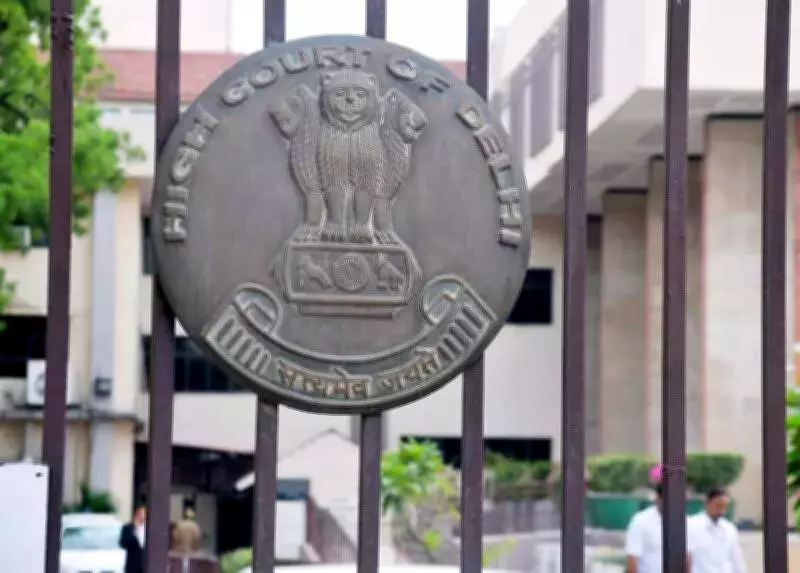
Delhi High Court Extends Deadline for Kejriwal and Sisodia to Respond to ED's Petition
The Delhi High Court on Wednesday granted an extension until April 2 for former Chief Minister Arvind Kejriwal, former Deputy Chief Minister Manish Sisodia, and 21 other individuals to file their replies to a plea by the Enforcement Directorate (ED). The ED's petition seeks to expunge what it terms as "unwarranted" remarks made against it by a trial court during the discharge of the accused in the Delhi liquor policy case.
Court Expresses Displeasure Over Delay in Filing Replies
Justice Swarana Kanta Sharma, while allowing the extension, expressed clear displeasure with the lawyers representing the accused for their delay in submitting responses. The judge emphasized that this was a straightforward matter and indicated that a final hearing date would be set once the replies are filed. "I don't know why you are not filing a reply. By April 2, you file your reply. Then we will fix a date for final hearing," Justice Sharma stated during the proceedings.
ED Argues Against Need for Replies, Accuses Delay Tactics
Representing the Enforcement Directorate, Additional Solicitor General S V Raju contended that there was no necessity for the accused to file replies to the agency's petition. He argued that the ED's challenge is specifically limited to the trial court judge's observations against the agency and does not impact the accused directly. Raju suggested that the request for more time was merely an attempt to delay the legal process.

When counsel for one of the accused argued that a brief reply was essential and required time due to the extensive 600-page discharge order, Justice Sharma countered this point. She clarified that the ED's case focuses solely on the judge's remarks and not the entire document. "Here's a prosecuting agency, which has stated that the judge exceeded jurisdiction. I told them even I make such observations. Now, you say 600 pages have to be read," she added, highlighting the narrow scope of the petition.
Background of the Case and ED's Concerns
The Enforcement Directorate filed its petition following a trial court order on February 27 that discharged all 23 accused in the Delhi liquor policy case. In that order, the trial court criticized the Central Bureau of Investigation (CBI), stating that its case was "wholly unable to survive judicial scrutiny and stood discredited in its entirety." The ED, in its plea, argued that these remarks were extraneous to the CBI's case and that the agency was neither a party in those proceedings nor given an opportunity to be heard.
The ED further warned that if such "sweeping, unguided, bald observations" are allowed to stand, it could cause "grave and irreparable prejudice" to the public and the agency itself. Additionally, the ED urged the High Court to issue a directive ensuring that the trial court's observations would not be relied upon by the accused in any related legal proceedings.
Next Steps in the Legal Process
With the new deadline set for April 2, the Delhi High Court has made it clear that it expects timely responses from all parties involved. Once the replies are submitted, the court will proceed to fix a date for the final hearing, moving the case forward in the judicial system. This development underscores the ongoing legal complexities surrounding the Delhi liquor policy case and the high-stakes nature of the proceedings involving prominent political figures.






