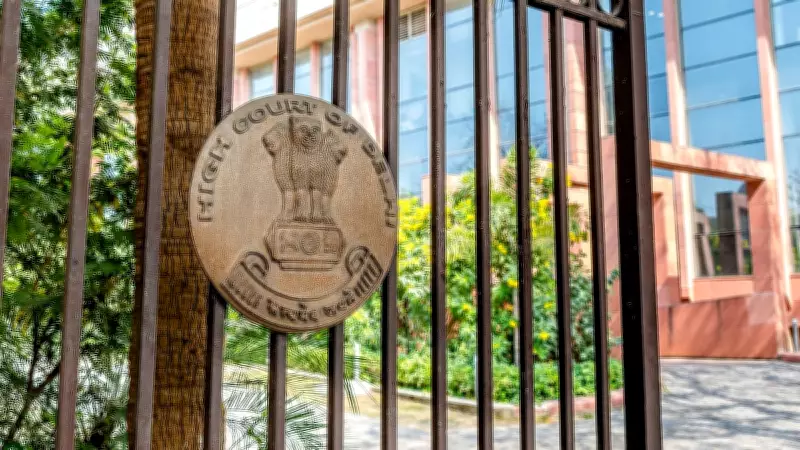
Delhi High Court Grants Time Extension to Centre in Celina Jaitly's Brother UAE Detention Matter
The Delhi High Court has provided the Central government with additional time to actively pursue the case concerning the detention of Bollywood actress Celina Jaitly's brother in the United Arab Emirates (UAE). This judicial decision came after the Centre's legal representative formally requested a reasonable period to facilitate diplomatic and administrative actions.
Centre's Request for Additional Time to Engage UAE Authorities
During the court proceedings, the lawyer representing the Centre explicitly sought an extension of three to four weeks. This timeframe is deemed necessary to enable the Ministry of External Affairs (MEA) and the Indian Embassy in the UAE to thoroughly pursue the matter with the relevant authorities in the Emirates. The request underscores the procedural complexities involved in international legal and diplomatic interventions.
The primary objective of this granted period is to allow Indian officials to engage in formal discussions and follow-up actions with their UAE counterparts. This step is crucial for addressing the detention issue through established diplomatic channels, ensuring that all legal and consular protocols are meticulously observed.
Background and Implications of the Detention Case
The case has attracted significant public and media attention due to the involvement of Celina Jaitly, a well-known figure in the Indian entertainment industry. Her brother's detention in the UAE has raised concerns about the legal processes and consular support available to Indian nationals abroad. The Delhi High Court's decision to grant additional time reflects the judiciary's recognition of the need for careful and coordinated efforts in such international matters.
This development highlights the ongoing efforts by Indian authorities to assist citizens facing legal challenges overseas, particularly in cases requiring inter-governmental coordination. The MEA and Indian Embassy are expected to utilize this time to gather necessary information, communicate with UAE officials, and explore potential resolutions.
Next Steps and Expected Outcomes
With the court's approval, the Centre is now tasked with expediting its efforts within the stipulated three to four weeks. Key actions likely include:
- Formal diplomatic communications between the Indian Embassy and UAE authorities.
- Review of legal documents and detention circumstances by the MEA.
- Potential consular visits and support for the detained individual.
- Assessment of any bilateral agreements or legal frameworks applicable to the case.
The outcome of these efforts will be critical in determining the next legal steps, which may involve further court hearings or diplomatic resolutions. The Delhi High Court is expected to monitor progress and may require updates from the Centre upon the expiration of the granted period.
This case serves as a reminder of the complexities involved in cross-border legal issues and the role of Indian judicial and diplomatic institutions in safeguarding the rights of citizens abroad. The extended timeline aims to ensure a thorough and effective approach, balancing urgency with due diligence in international engagements.