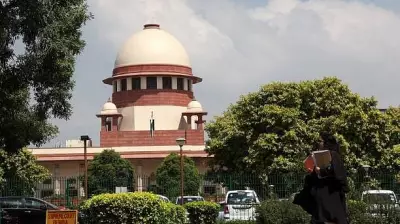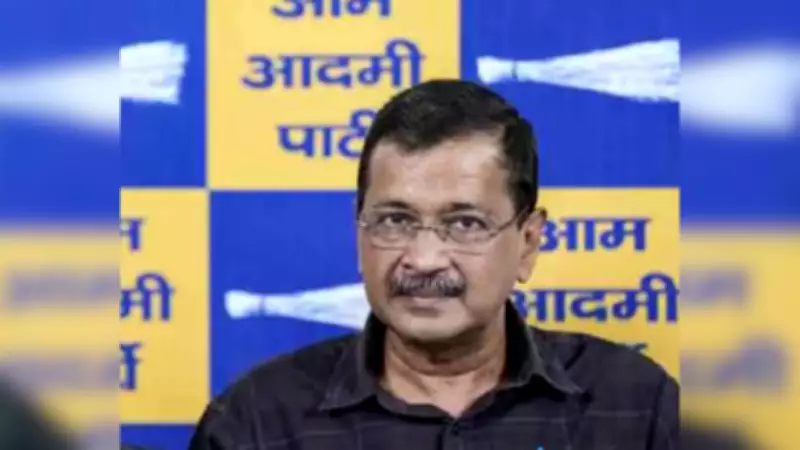
Delhi High Court Continues Hearing CBI Plea Challenging Kejriwal's Discharge in Liquor Policy Case
The Delhi High Court on Monday proceeded with the hearing of the Central Bureau of Investigation's plea challenging the discharge of former chief minister Arvind Kejriwal and 22 others in the liquor policy case. Justice Swarana Kanta Sharma noted that there is no stay order from the Supreme Court yet, allowing the case to move forward according to law.
Court Observations and Proceedings
During the brief hearing, senior counsel for the Aam Aadmi Party functionaries informed the court that they have approached the Supreme Court challenging the High Court's previous order. This order had issued notices and stayed the trial court's observations against the CBI's lead investigator. Justice Sharma responded, "I have not received any stay yet. Till the court gets an order staying the proceedings, the case has to proceed according to law."
The High Court listed the CBI's petition for hearing on April 6 and noted that Kejriwal and the other respondents did not appear on the first day of the hearing. When asked to file their stand, they sought additional time to do so.
Arguments from Both Sides
Solicitor General Tushar Mehta, representing the CBI, strongly opposed granting more time to the respondents. He argued that the trial court's "perverse" order "cannot remain on record even for a second more than necessary." Mehta contended that the respondents should not be given more than a week to file their response, emphasizing that a reply is unnecessary when the entire trial court record is available.
Mehta further stated, "There has been a pattern. Make allegations and run away. Such litigants can’t be encouraged. Career (was made) out of allegations." He added that while Kejriwal has the right to file an appeal, it must be ensured their petition in the apex court gets listed promptly, as the respondents "cannot keep it pending" in the Supreme Court's registry.
In response, senior advocate N Hariharan, appearing for the AAP functionaries, retorted that he was not in charge of the Supreme Court's registry. He requested at least four weeks to file their replies. The senior lawyers for the discharged persons argued there was no urgency and that they should be given reasonable time, especially since the trial court had provided comprehensive findings in their favor. They asserted that no prejudice would be caused to the CBI if more time was granted.
Background of the Case
Last month, a special CBI court discharged Kejriwal, Manish Sisodia, and 21 others in the liquor policy case. The court criticized the investigating agency, stating it was unable to make out a tenable case that could survive judicial scrutiny. It declared that the CBI's case stood discredited in its entirety.
Following this, Kejriwal and Sisodia moved the Supreme Court after the High Court chief justice rejected their request to transfer the CBI's plea against their discharge from Justice Sharma to another judge. The ongoing legal battle highlights the intense scrutiny and procedural complexities surrounding this high-profile case.
The Delhi High Court's decision to proceed without a Supreme Court stay underscores the judicial commitment to timely proceedings. The next hearing on April 6 is expected to be crucial in determining the future course of this politically sensitive litigation.